Expected service life
How long is the system intended to remain useful in the actual environment, and is it being specified for light domestic use or intensive daily operation?
Accessible living specialists
Trading online since 2010
The lowest purchase price is not always the lowest-cost choice over the life of an adaptation. Installation, maintenance, downtime, replacement, compatibility and serviceability can all change the real cost of ownership.
Purchase price is one part of cost. Whole-life cost looks at what the equipment may require from specification through installation, everyday use, maintenance and eventual replacement. A more durable or maintainable product can cost more initially yet create better value if it reduces repeat works, downtime or premature replacement. The reverse can also be true: expensive equipment is not automatically better value.
Look beyond the invoice
Whole-life value is easier to compare when the project team separates the different costs instead of treating the product price as the whole answer.
A better buying question
Not every factor will matter equally on every project. A private home, care environment and housing programme can have very different cost priorities.
How long is the system intended to remain useful in the actual environment, and is it being specified for light domestic use or intensive daily operation?
A lower-cost product can become expensive if it demands unusual enabling works, structural changes or repeat site visits.
Check routine servicing, cleaning, adjustment and inspection requirements rather than assuming accessible equipment is maintenance-free.
Consider whether spares, technical information and a clear route back to the supplier or manufacturer are available.
Can the system accommodate changing users, dimensions or layouts, or will a change in need require complete replacement?
In a care home, school or housing programme, equipment being unavailable can carry an operational cost beyond the repair itself.
An accessible product is part of a system
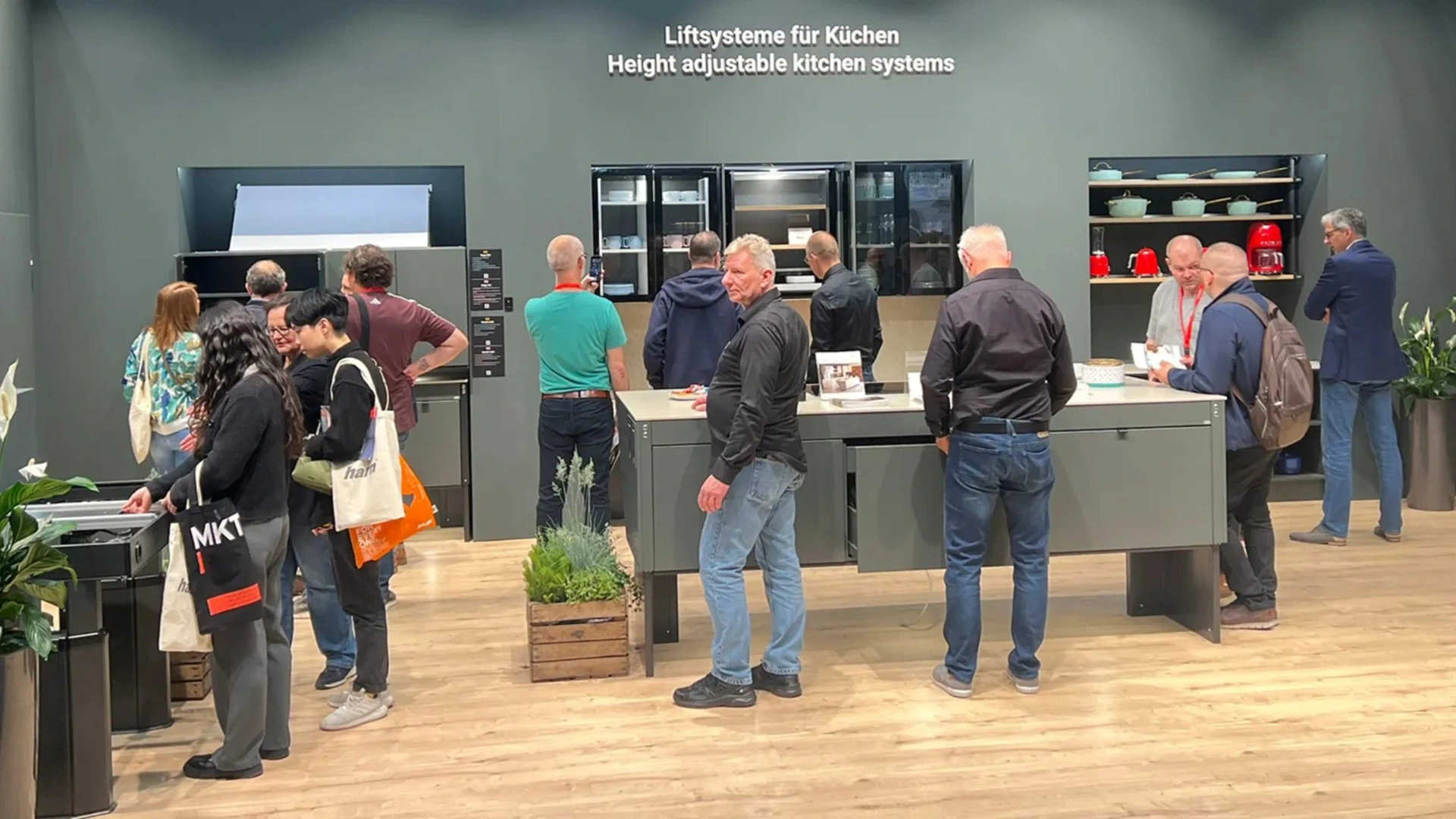
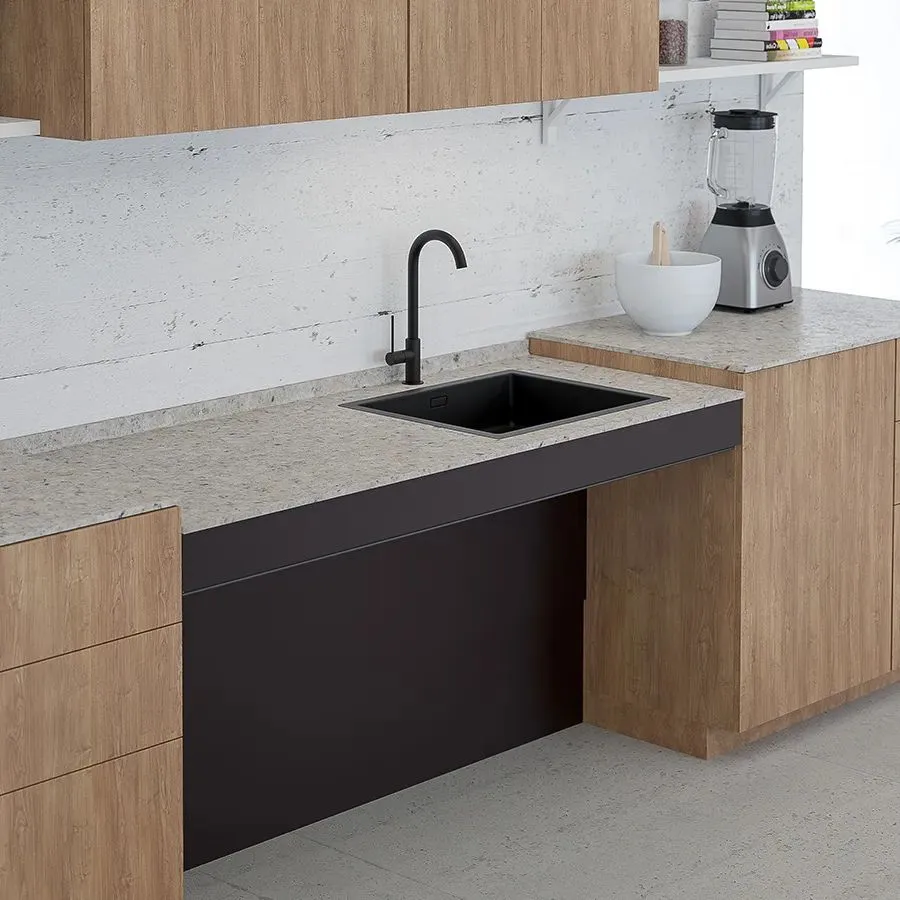
Consider a height-adjustable kitchen worktop. The lift itself is only one cost. Worktops, sinks, taps, flexible services, electrical supply, cabinetry and installation all interact with it.
If the chosen system is difficult to service, incompatible with later changes or requires the whole installation to be disturbed for a repair, the cost of ownership can become very different from the initial price comparison.
Examples of long-term value
Procurement & project planning
Housing associations, councils, care providers, universities and other operators may feel the effect of a product decision repeatedly through installation, maintenance and replacement cycles. Standardisation can simplify support, but it should not remove the flexibility needed for individual users.
A simple whole-life-cost checklist
FAQs
No. A lower-priced product can be excellent value if it is suitable, durable and straightforward to install and maintain. Whole-life costing is about comparing the complete ownership picture, not assuming higher price means higher quality.
No. Warranty is one useful factor, but coverage, registration, maintenance conditions, availability of spares, installation quality and serviceability also matter.
Because product choice can change the amount of structural work, plumbing, electrical work, making good and labour required. Those costs may exceed the difference between two product prices.
If equipment is central to care, hygiene, teaching, accommodation or a room’s accessible provision, an outage can affect more than the repair bill. Alternative arrangements, room closure or staff time may also matter.
Not automatically. It can simplify purchasing, installation and maintenance, but a standard product still has to suit the people using it. The strongest approach standardises where it helps while retaining flexibility where needs differ.
Compare the purchase and installation cost together, then ask how long you expect to use the product, what maintenance it needs, whether parts are available, and whether it can adapt if your needs change.
Value over time
If you are comparing two accessible products for a home or project, our team can help explain the differences in product scope, installation requirements, warranty information and supporting components so you can make your own informed comparison.