Transfer technique
For lateral transfers, consider a relatively flat seat, strong hinge construction and effective resistance to sideways movement.
Accessible living specialists
Trading online since 2010

Fit, Transfer & Support
Ergonomic toilet seats for different transfer techniques, sitting positions and toilet heights, with covered, open, raised-height and open-front options from Pressalit and AKW.

More than a lid and a hinge
Toilet seats may look relatively similar, but their shape, fixing system, lateral stability and height can make a significant difference during transfers and everyday use.
A user transferring sideways may value a relatively flat seat, strong crossbar hinge and stabilising buffers. Another user may benefit more from additional seat height, a contoured surface or a cover that provides support when upright.
The right starting point is therefore not colour or appearance. Establish how the toilet is used, how the user transfers and whether the existing WC height and geometry are already suitable.
Define the requirement first
Sideways, forwards, independently or with assistance.
If not, a raised seat may provide a relatively simple adaptation.
Check hinge construction, stabilising buffers and the exact seat fit.
Open-front designs provide additional access at the front of the bowl.
Start here
Select the basic seat format first, then compare seat shape, hinge type, fixing dimensions, stability, colour and the maximum supported load of the individual product.
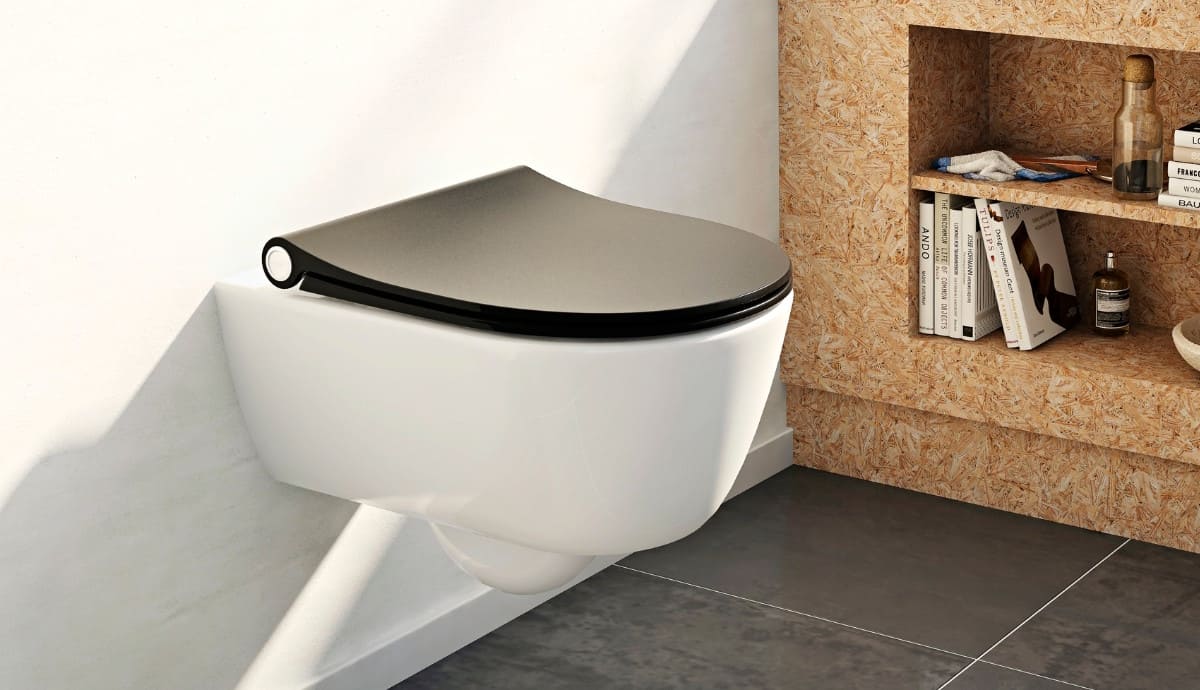
01 Covered seats Covered Pressalit and AKW seats combining accessible seat geometry with a more conventional domestic appearance. Selected Pressalit covers can also provide support when upright.
 02 Transfer friendly
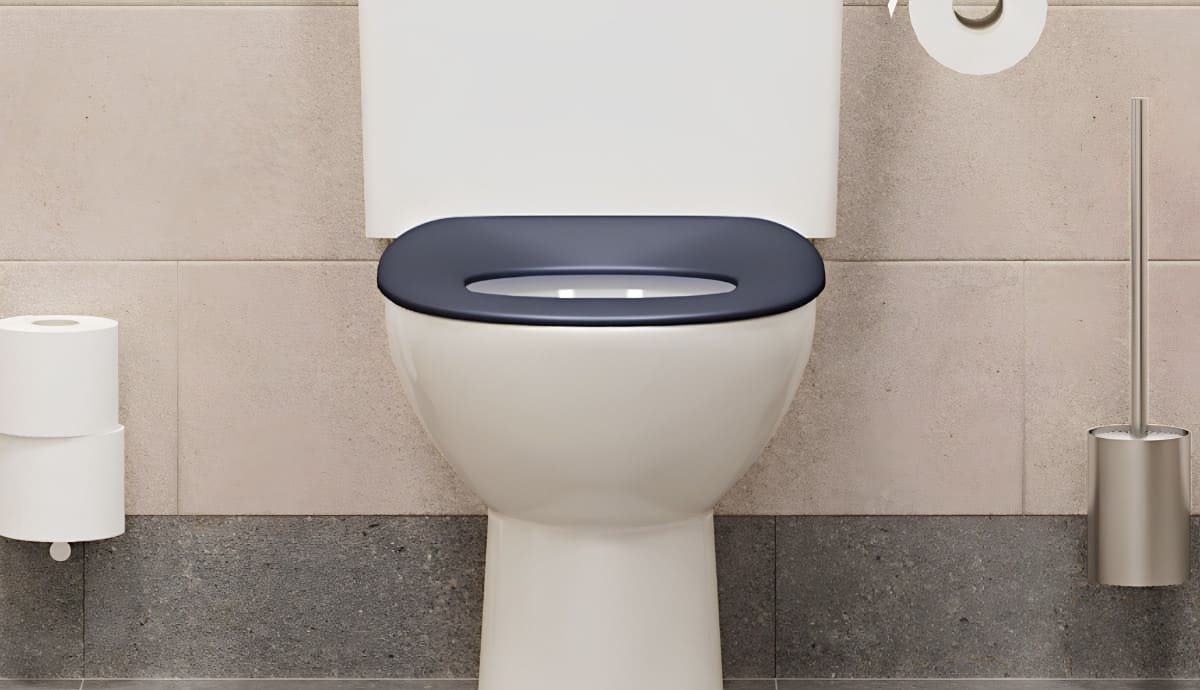
 Open seat-only configurations that remove the lid from the transfer area, with specialist Pressalit hinge choices and straightforward AKW ergonomic options.
 03 Specialist geometry
 Pressalit seats that either increase the sitting height of an existing WC or provide additional frontal access for hygiene, bidet use and selected care applications.
Choose by function
Seat compatibility is only the first requirement. The finished product also needs to suit the user's transfer technique, sitting position and ability to lower onto or rise from the WC.
For lateral transfers, consider a relatively flat seat, strong hinge construction and effective resistance to sideways movement.
Flat Dania-style seats and more contoured designs provide different levels of pelvic and thigh support.
Check whether the current toilet position allows comfortable transfers and standing before selecting a raised-height model.
Hinge centres, seat length, pan shape and stabilising buffers all influence how securely the seat fits the toilet.
Cover or no cover?
Neither configuration is automatically more accessible. Choose according to the user, the room and the way the toilet is approached.

Covered seats suit domestic and design-conscious bathrooms where a traditional toilet appearance is preferred. On selected Pressalit models, the upright cover can also provide support behind the user.
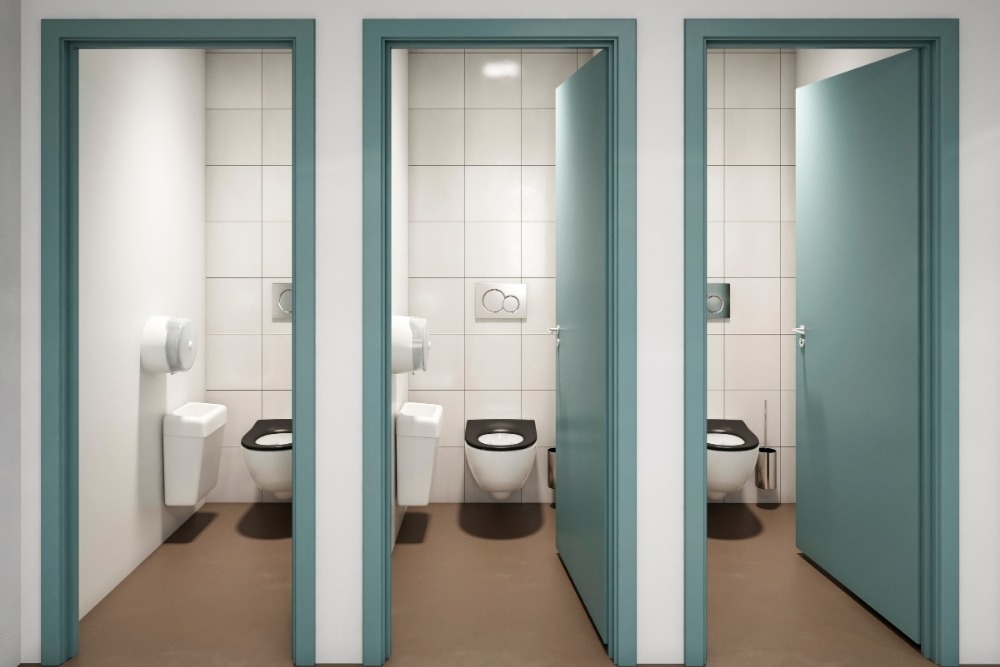
Removing the lid reduces the amount of equipment immediately behind the seat and is commonly specified where lateral transfers, backrests or other specialist support systems are more important than a conventional covered appearance.
Pressalit seat geometry
Much of the specialist range is built around recognisable Pressalit seat forms. The correct choice depends on whether the priority is lateral transfer, pelvic stability or a broader contoured sitting surface.

Pressalit hinge selection
Several Pressalit seat shapes are available with different hinge arrangements. Check the exact product because the hinge can change the fitting range and the way the seat behaves during a transfer.
Used across selected Pressalit Dania and Colani seats where a flexible universal-fitting arrangement is required.
Check the pan dimensions and hinge-centre range against the technical drawing for the exact seat.
A stainless-steel crossbar hinge used with selected Pressalit seats where additional strength and stability are important, particularly during lateral transfers.
Stabilising buffers on compatible seats help resist lateral movement between the seat and WC pan.
Two different adaptations
These products share one shopping category, but the reasons for specifying them are quite different.
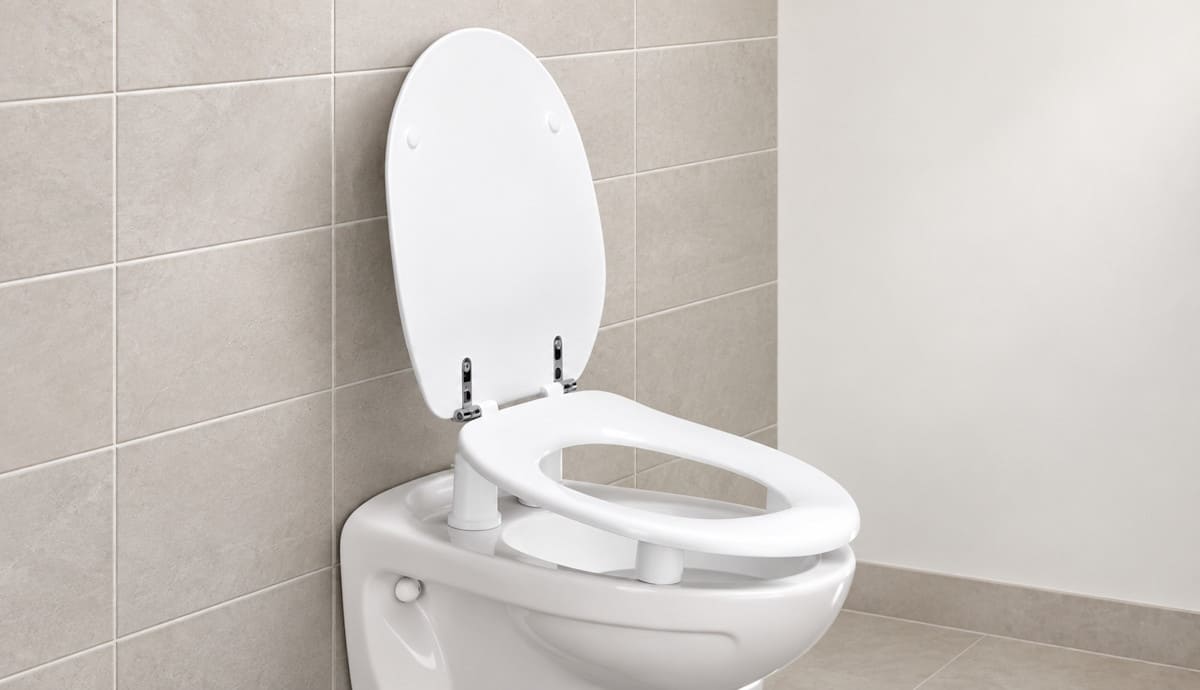
Increase the effective sitting height of a standard WC without replacing the complete toilet pan. This may reduce the amount of vertical movement required when sitting down or standing up.
Leave an opening at the front of the seat for additional personal-care access. Pressalit Dania open-front models can also accommodate use with a hand shower and selected care equipment.
Pressalit raised-height range
The Dania range includes raised configurations that fit onto compatible existing pans using purpose-designed raised crossbar hinges and stabilising buffers.
Shop raised-height toilet seats →Before ordering
Toilet pans vary considerably. Even seats described as universal still have fitting limits, so compare the pan against the technical drawing for the exact seat before ordering.
Measure the centre-to-centre distance between the two fixing holes in the toilet pan.
Measure from the fixing centres towards the front of the ceramic to check the seat projection.
Compare the widest part of the bowl and its overall profile with the dimensional drawing.
Check that stabilising buffers and contact points will sit securely on the ceramic rather than outside its usable surface.
Compatibility is product-specific: hinge spacing, seat length, width and supported load vary between models. Check the current dimensional drawing and installation instructions for the exact toilet seat before purchasing.
Choose by use, then confirm the fit
Compare covered and uncovered seats, or explore specialist raised-height and open-front configurations before checking the exact pan dimensions and hinge requirements.