Water source
How will the shower produce hot water?
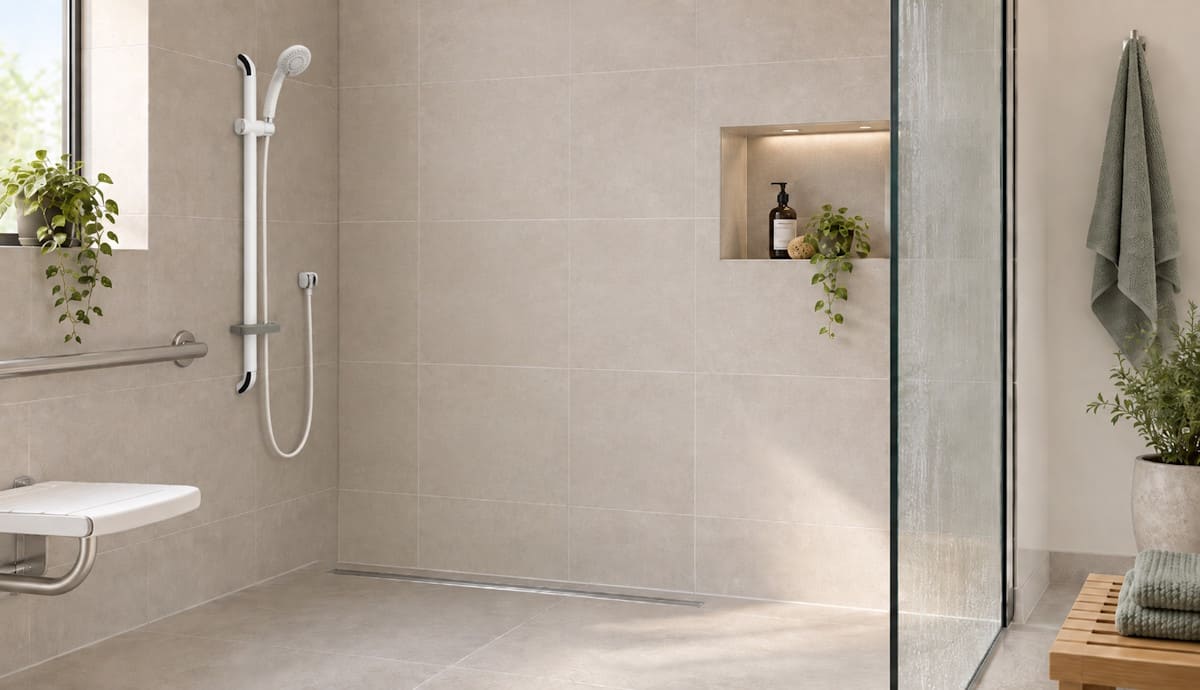
An electric shower heats incoming cold water within the unit. A mixer shower blends the property's existing hot and cold water supplies.
Accessible living specialists
Trading online since 2010

ACCESSIBLE SHOWERING
Thermostatic electric and mixer showers, accessible controls, adjustable handsets, dual-outlet systems and specialist commercial showering equipment for independent, assisted and professional environments.
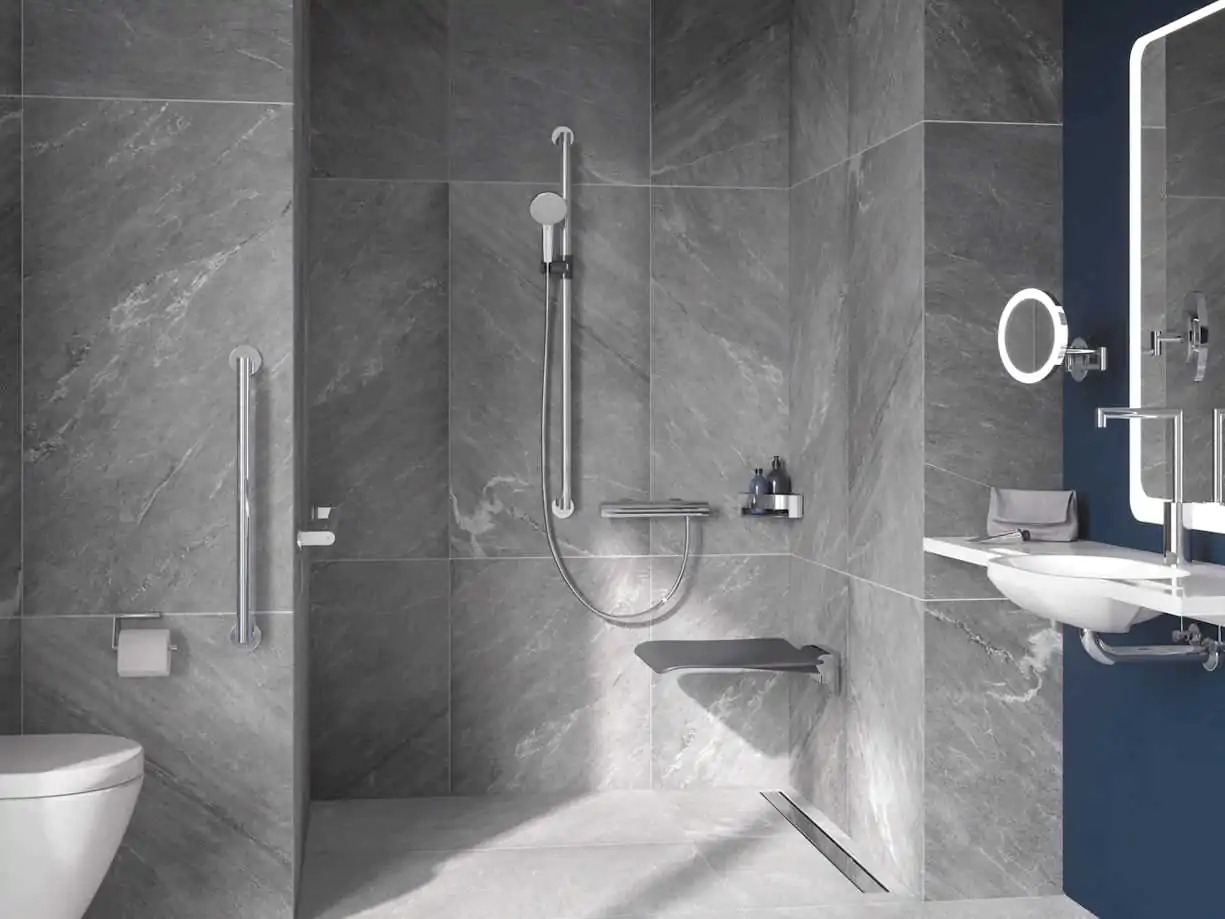
A simpler way to specify the shower
First establish how the water will be heated. Then choose how the user needs to operate it. Finally, decide where and how the water should be delivered around the showering area.
Water source
An electric shower heats incoming cold water within the unit. A mixer shower blends the property's existing hot and cold water supplies.
User control
Consider the reach, grip, dexterity and sensory information required to start the shower, change temperature, alter flow or select a second outlet.
Water delivery
Adjustable handsets offer targeted control. Overhead showers create broad coverage. Dual systems allow the user to switch between the two.
Start here
Browse complete shower systems first, or move directly into individual controls, shower heads, rail kits and specialist commercial equipment when the wider system has already been specified.
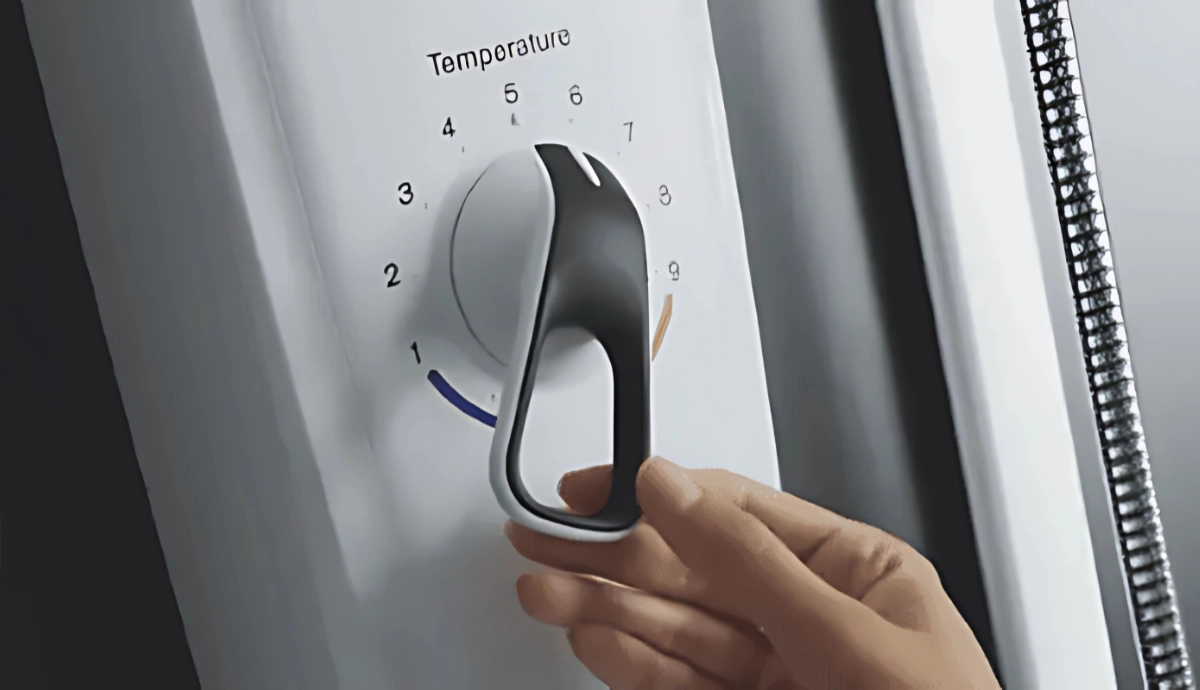 01 On-demand heating
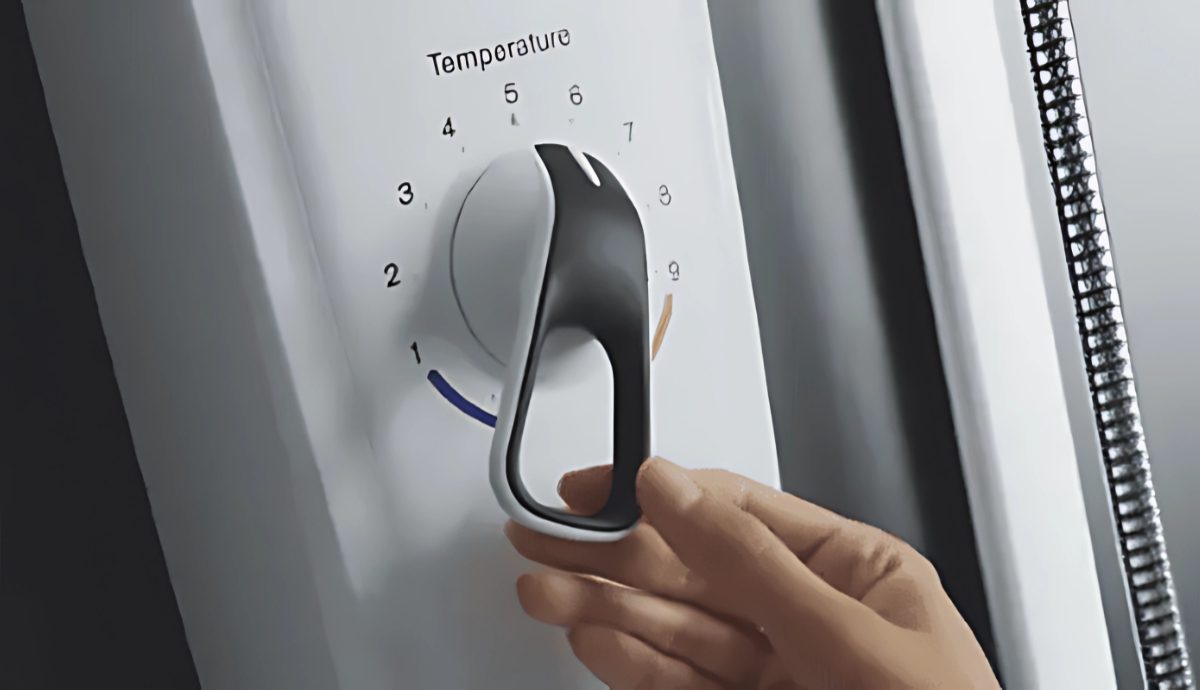
 Accessible thermostatic electric showers from AKW, Mira, Triton and Redring, including models with large controls, tactile or audible feedback, longer hoses and care-focused shower accessories.
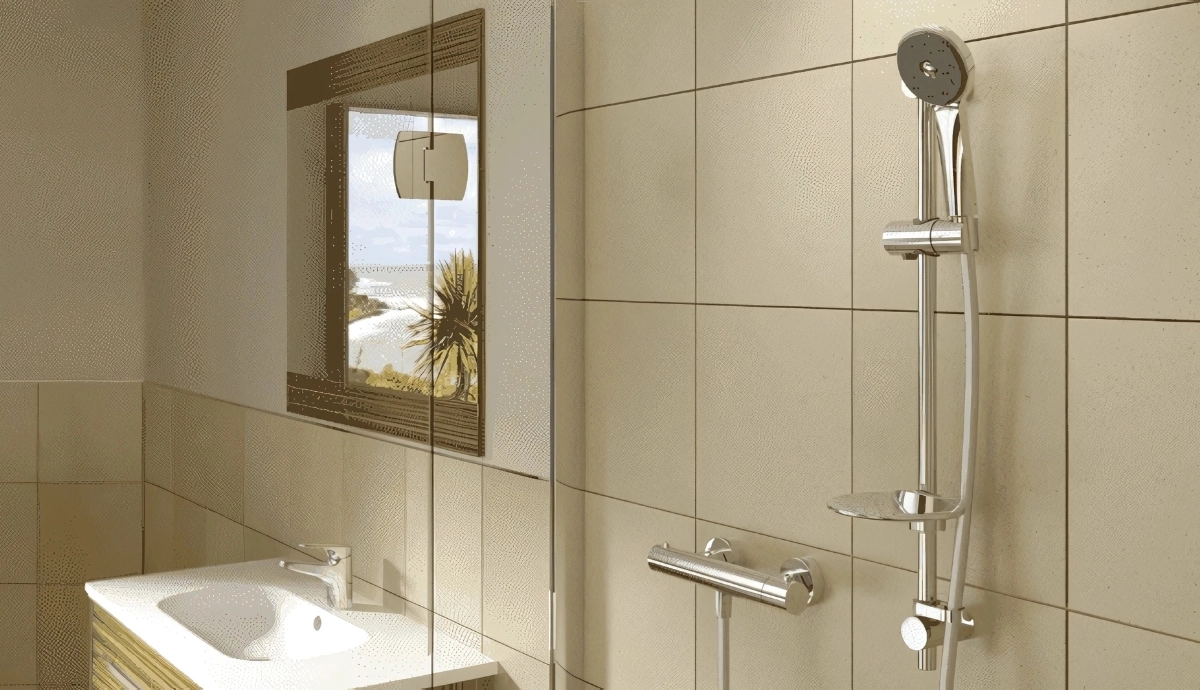 02 Hot + cold supply
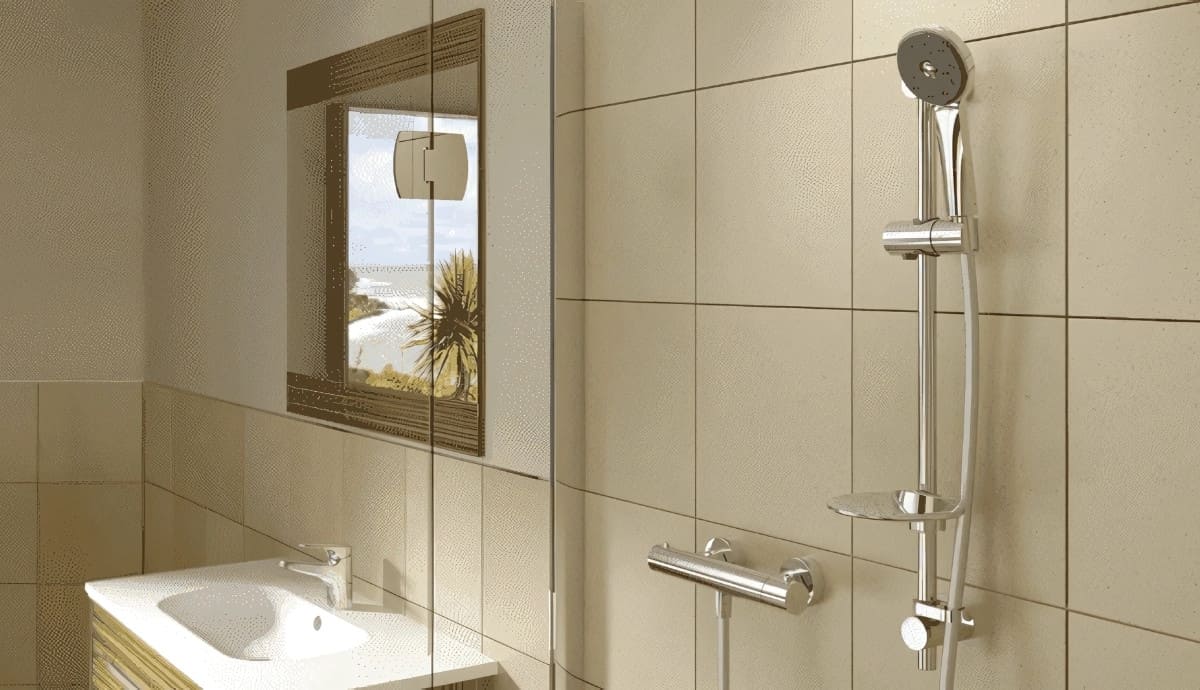
 Complete mixer shower kits with thermostatic temperature regulation, including accessible grab-rail combinations, safe-touch bar mixers and adjustable handset systems.
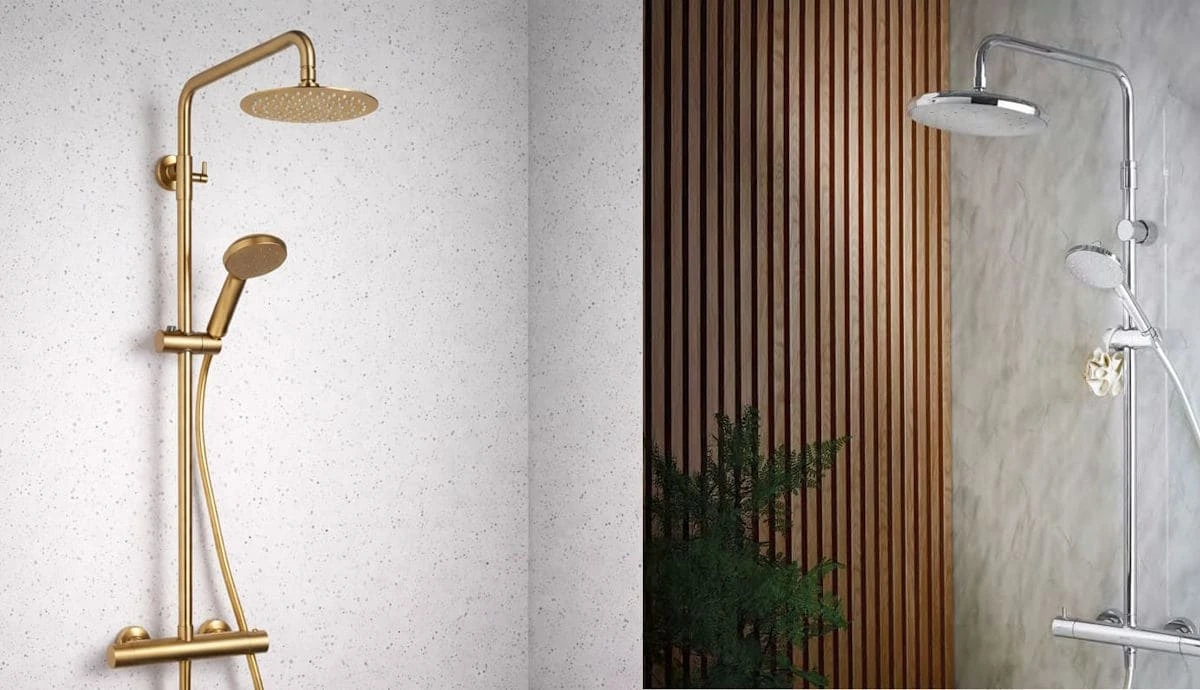 03 Two outlets
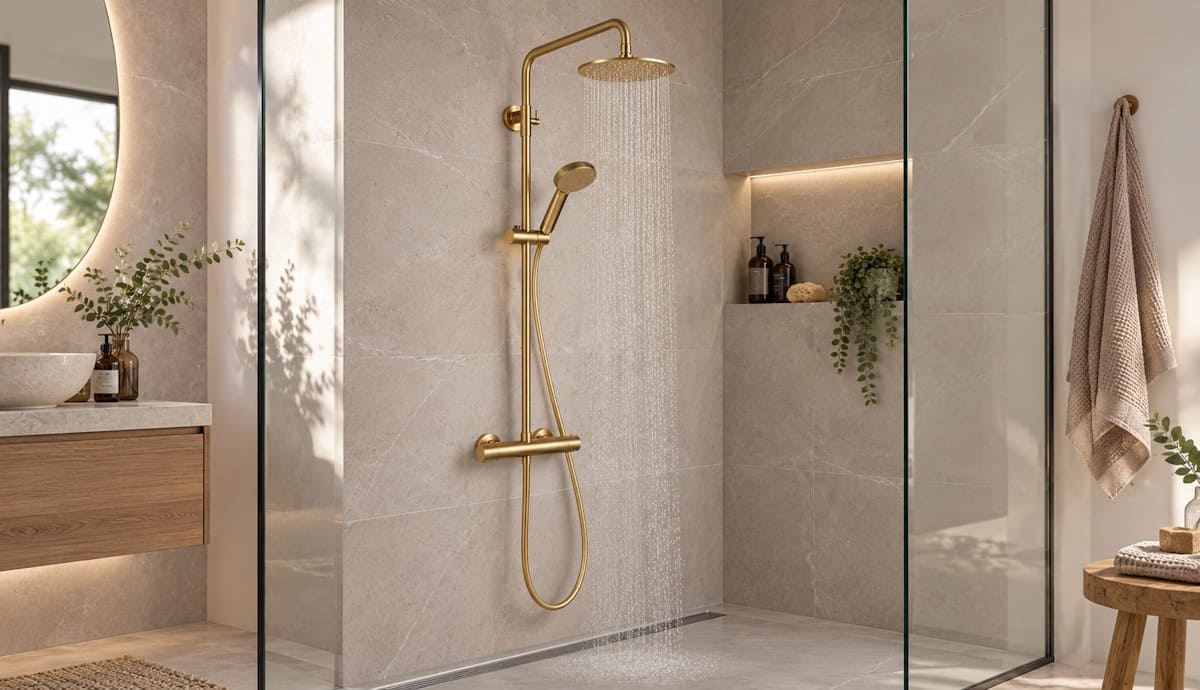
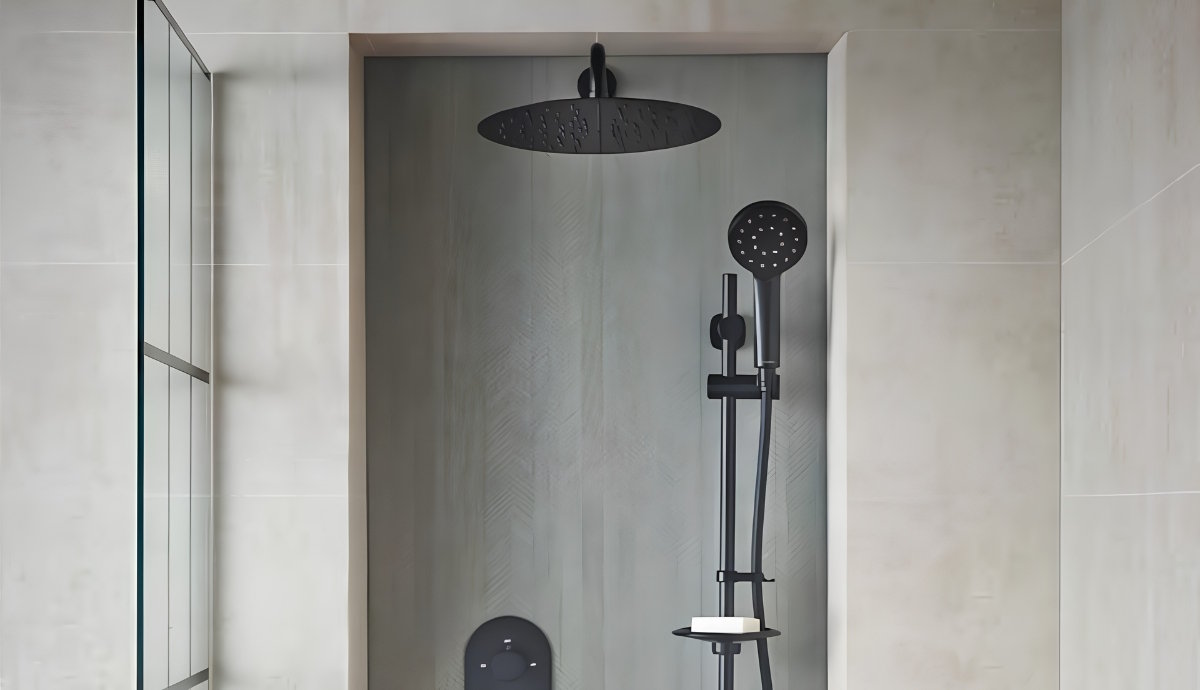
 Thermostatic Methven and Deva by Methven shower systems combining an adjustable handset with an overhead shower, allowing the user to divert water between two outlets.
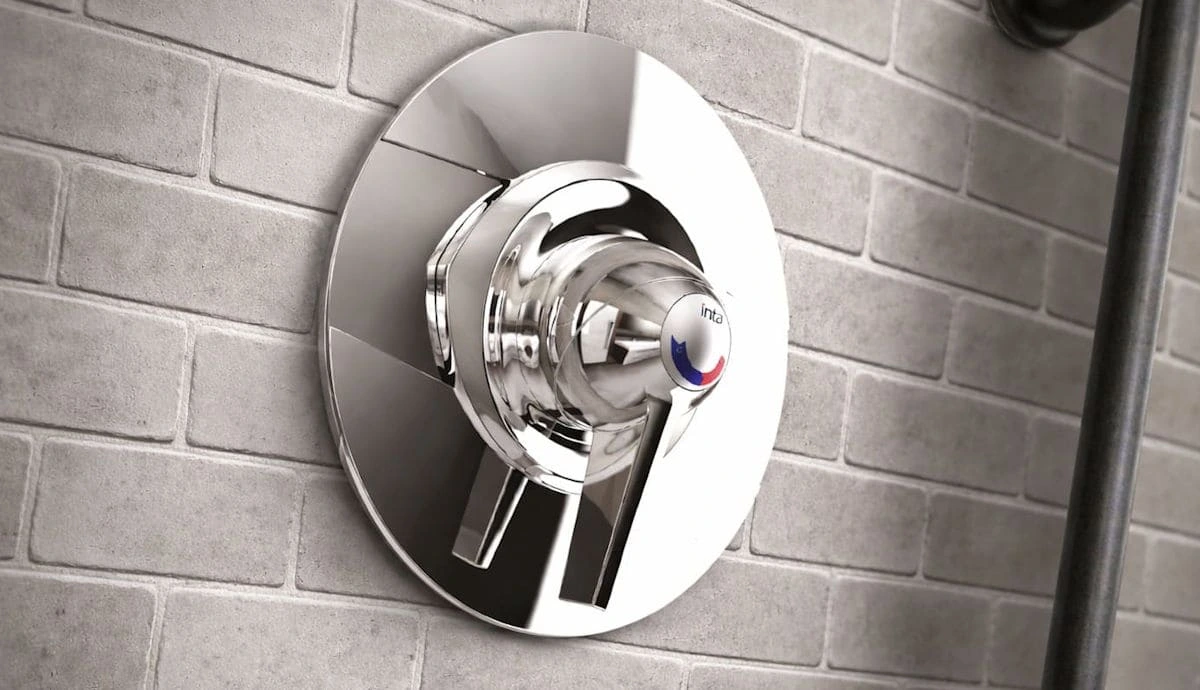 04 Specify the valve
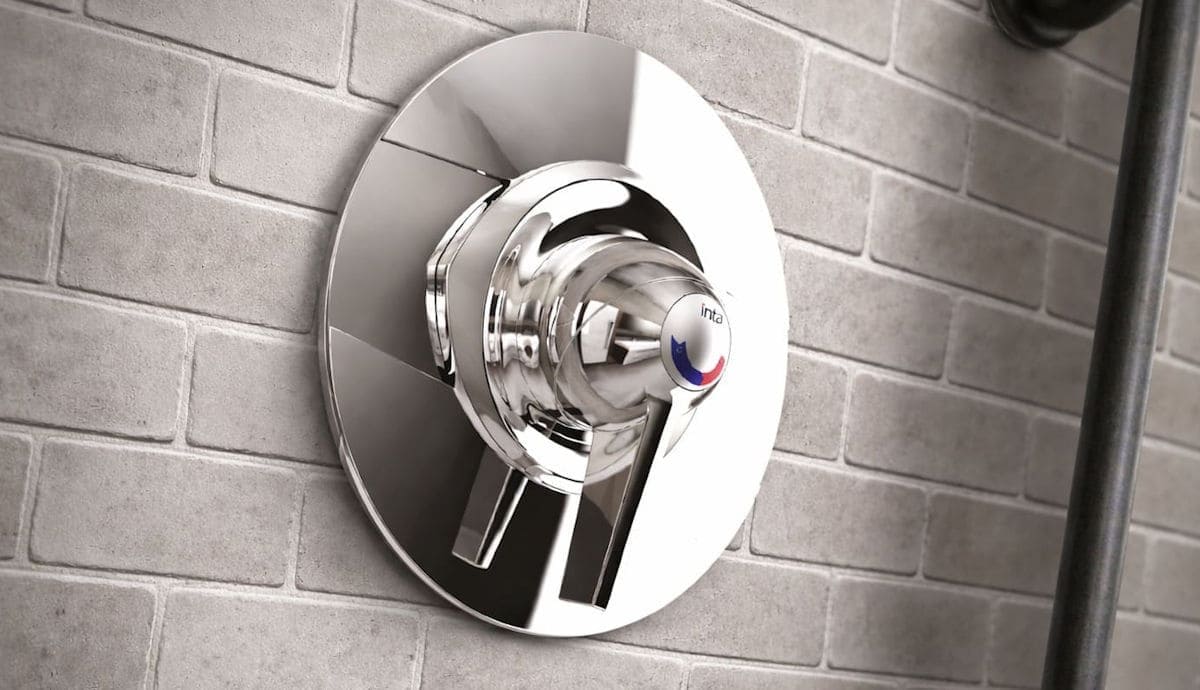
 Thermostatic sequential, bar, exposed and concealed shower controls alongside non-concussive timed-flow controls for higher-use and commercial installations.
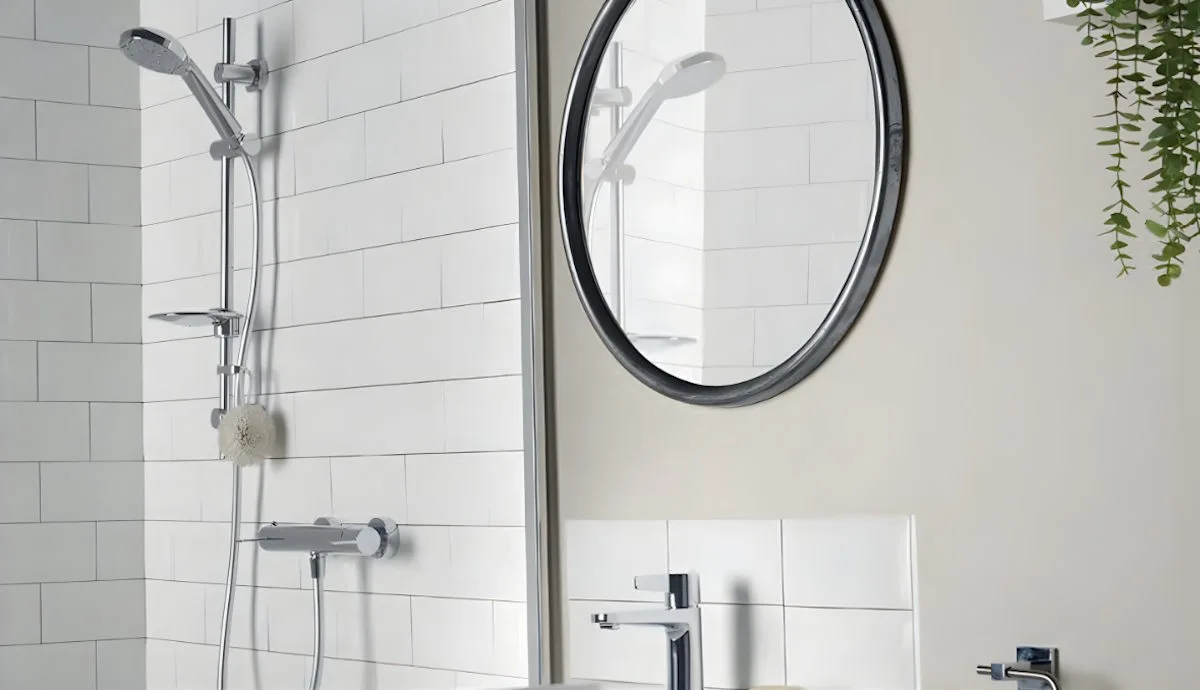 05 Position the handset
 Accessible shower kits, longer hoses, sliding handset holders, grab-rail combinations and replacement shower heads from AKW, Inta, Pressalit, Methven and specialist suppliers.
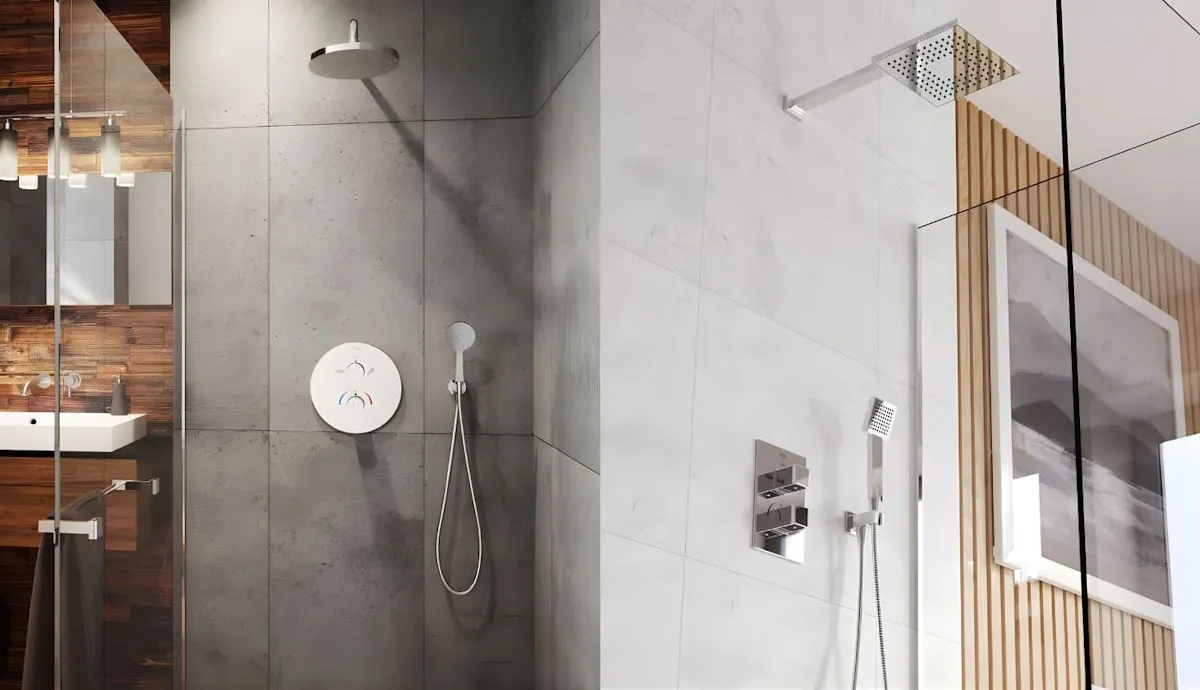 06 Broad overhead coverage
 Methven Aio overhead shower heads providing broad water coverage for contemporary shower spaces, available in chrome and matt black.
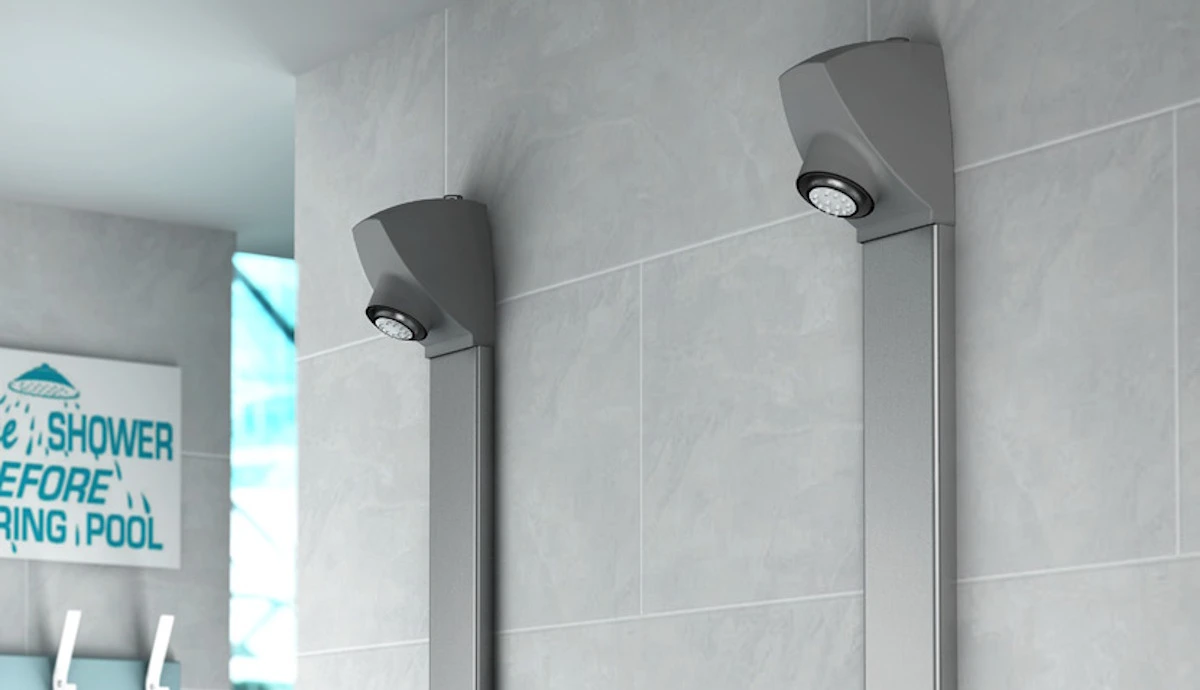 07 All-in-one commercial
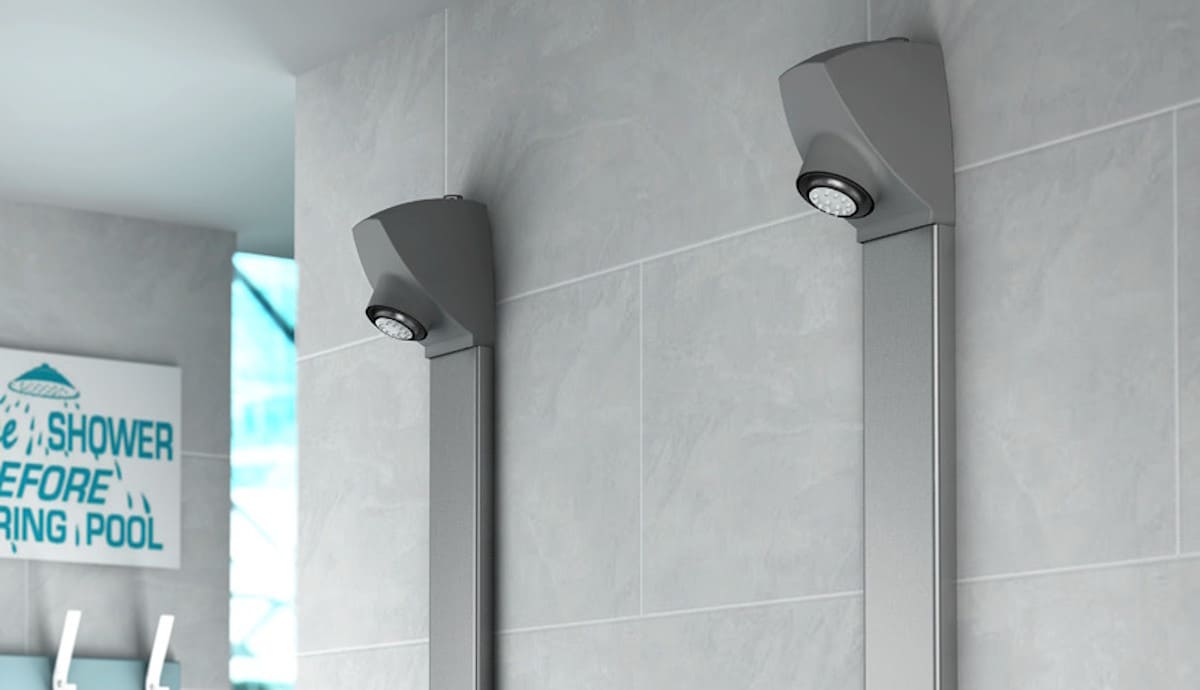
 Compact Inta wall-mounted panels for commercial and shared shower areas, including timed-flow, thermostatic and vandal-resistant configurations.
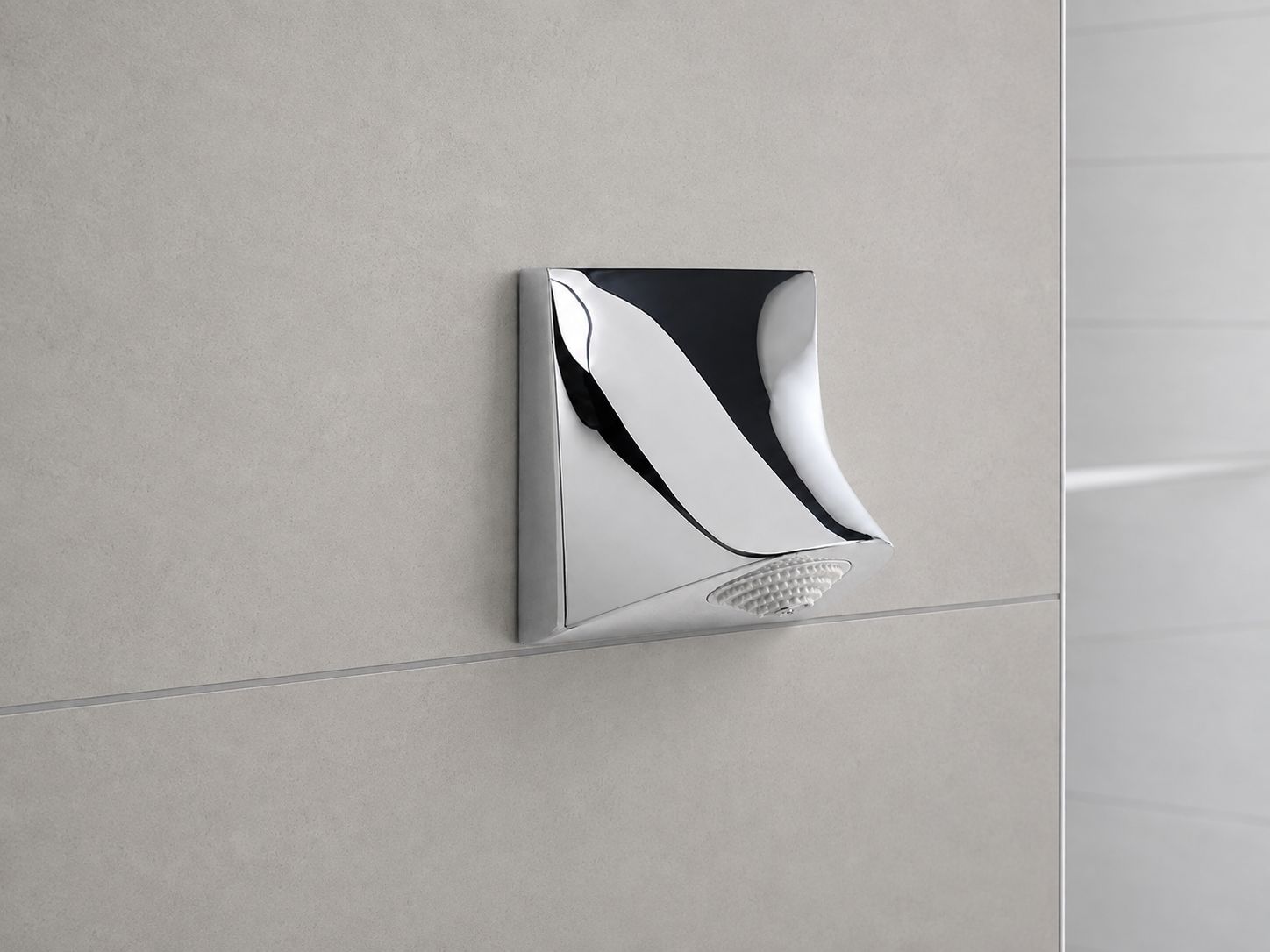
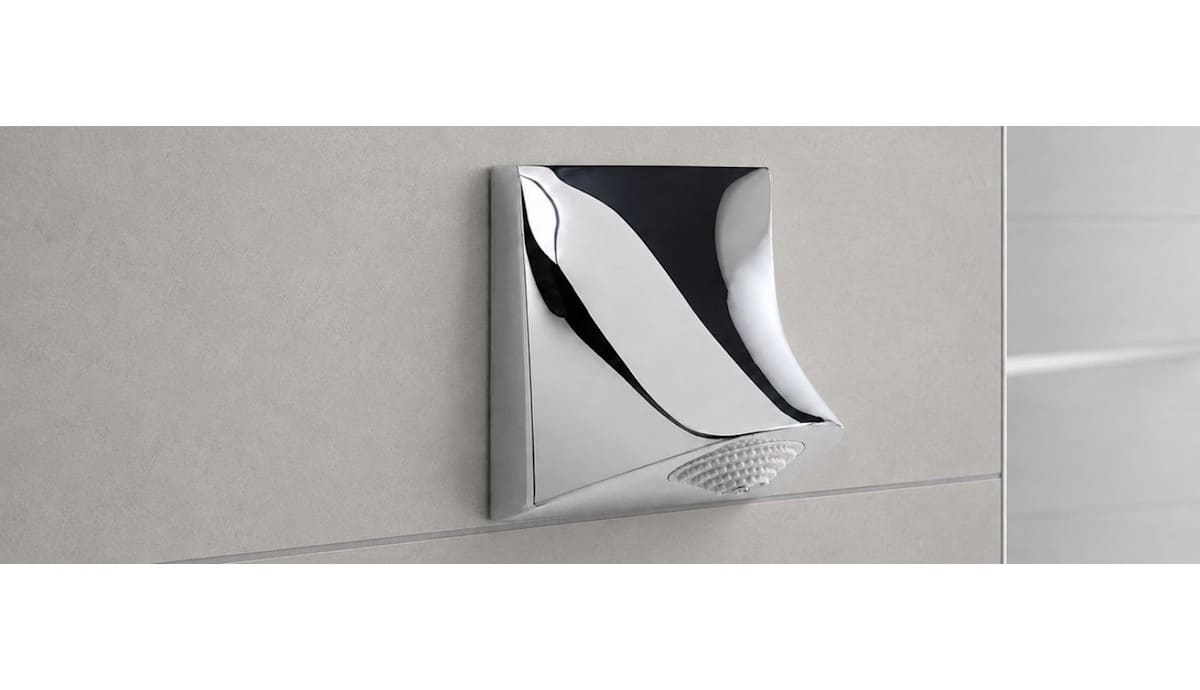
Specialist Inta shower heads designed for robust, tamper-resistant installations and selected environments where reducing potential ligature attachment points is part of the project risk strategy.
The biggest technical decision
Both can provide thermostatically controlled showering, but they obtain and heat the water in fundamentally different ways.
An electric shower connects to a cold-water supply and heats water on demand as it passes through the unit. This makes it independent from the home's stored or boiler-generated hot water.
A mixer shower uses existing hot and cold supplies and blends them through a thermostatic valve to maintain the selected showering temperature.

Accessibility can be built into the controls
In an accessible electric shower, the interface can be just as important as the heating performance. Current care-focused products offer different combinations of visual, tactile, audible and remote operation.
Position the water around the person
Shower heads change how much control the user has over the direction of water. In accessible bathrooms, flexibility is often more useful than simply maximising coverage.
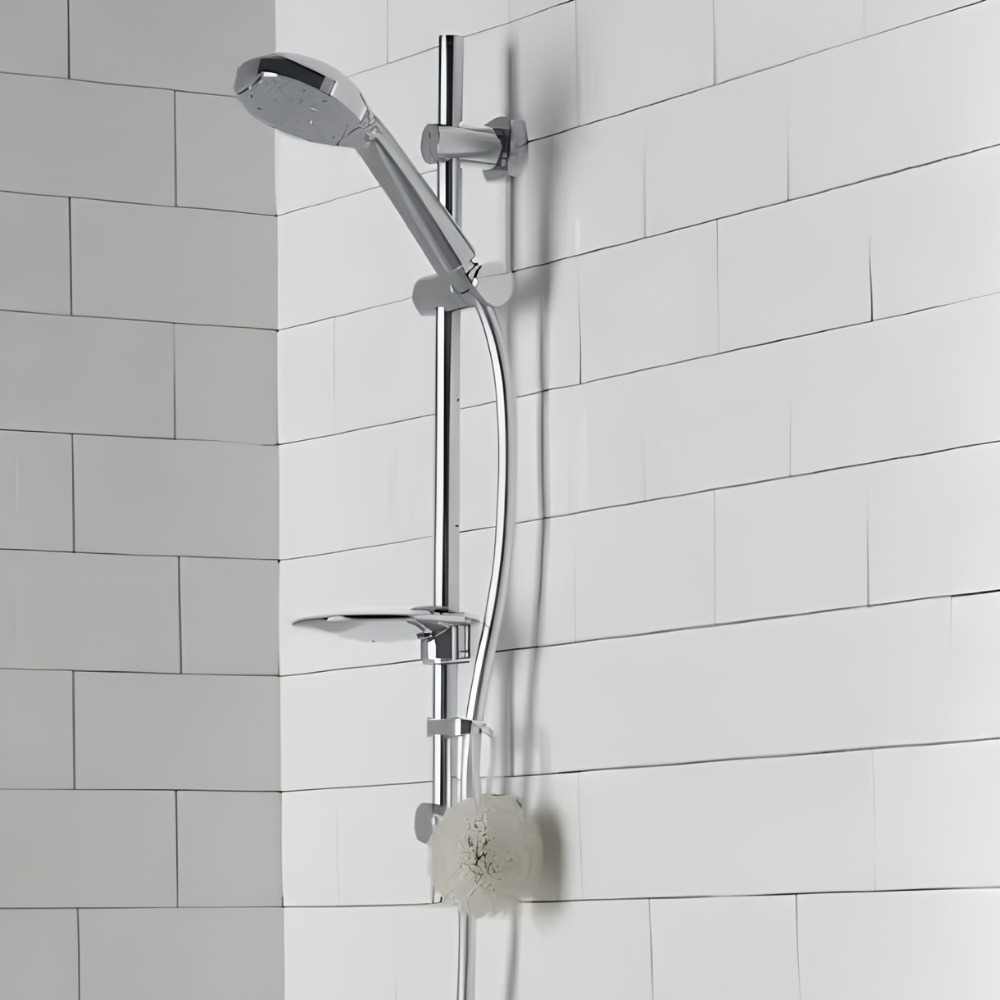
Move the shower head up or down, remove it from the holder and direct the water precisely where required. Particularly useful for seated and assisted showering.

Combine an overhead outlet with a movable handset and use a diverter to select the preferred showering experience.
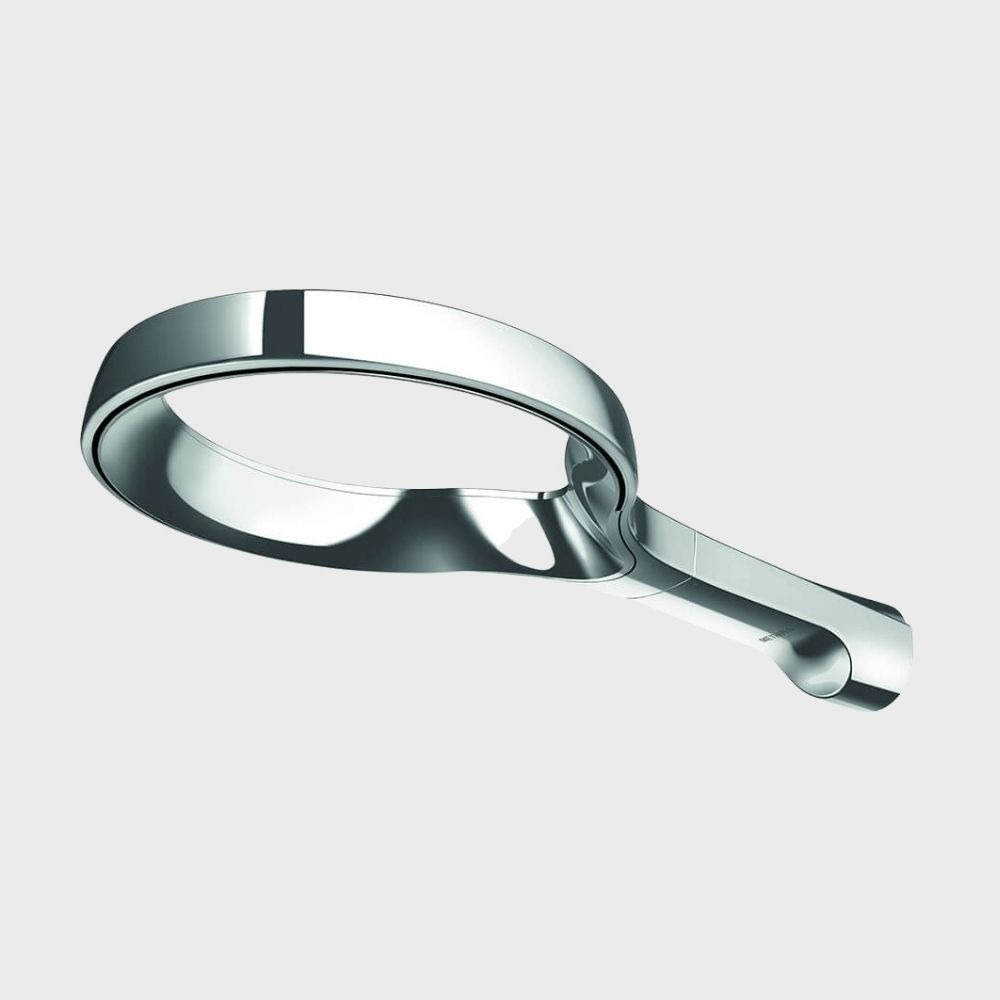
Create wide overhead coverage and a more immersive showering experience. For accessible use, consider pairing it with a separate adjustable handset.
The control can be specified separately
Standalone controls allow the valve and water-delivery system to be assembled around the project rather than selecting a complete packaged shower.
A single control movement can provide straightforward operation where independently adjusting several separate controls would be difficult.
Exposed thermostatic bar valves provide direct access to flow and temperature controls, with safe-touch options available.
Conceal the working valve within the wall while leaving only the operating controls and outlets visible within the shower.
Non-concussive push controls automatically close after a timed period and are particularly relevant to shared and commercial showering.
Beyond the domestic bathroom
Commercial washrooms place greater emphasis on durability, water control, simple operation and maintenance. Higher-risk environments can introduce additional requirements around tamper resistance and potential attachment points.
Inta shower panels combine the controls, water delivery and visible installation into a compact product suited to commercial and shared environments.
Specialist shower heads use compact forms and robust construction for environments where standard domestic fittings may not be appropriate.
Specialist does not mean universally suitable
Mental-health, secure healthcare and custodial environments require a different design process from an ordinary accessible bathroom. The shower head is only one element of that process.
Avoid absolute claims: anti-ligature and vandal-resistant products are designed to reduce particular hazards; they should not be described as completely tamper-proof or risk-free. Confirm the complete shower system against the project's current risk assessment, technical documentation and applicable specialist guidance.
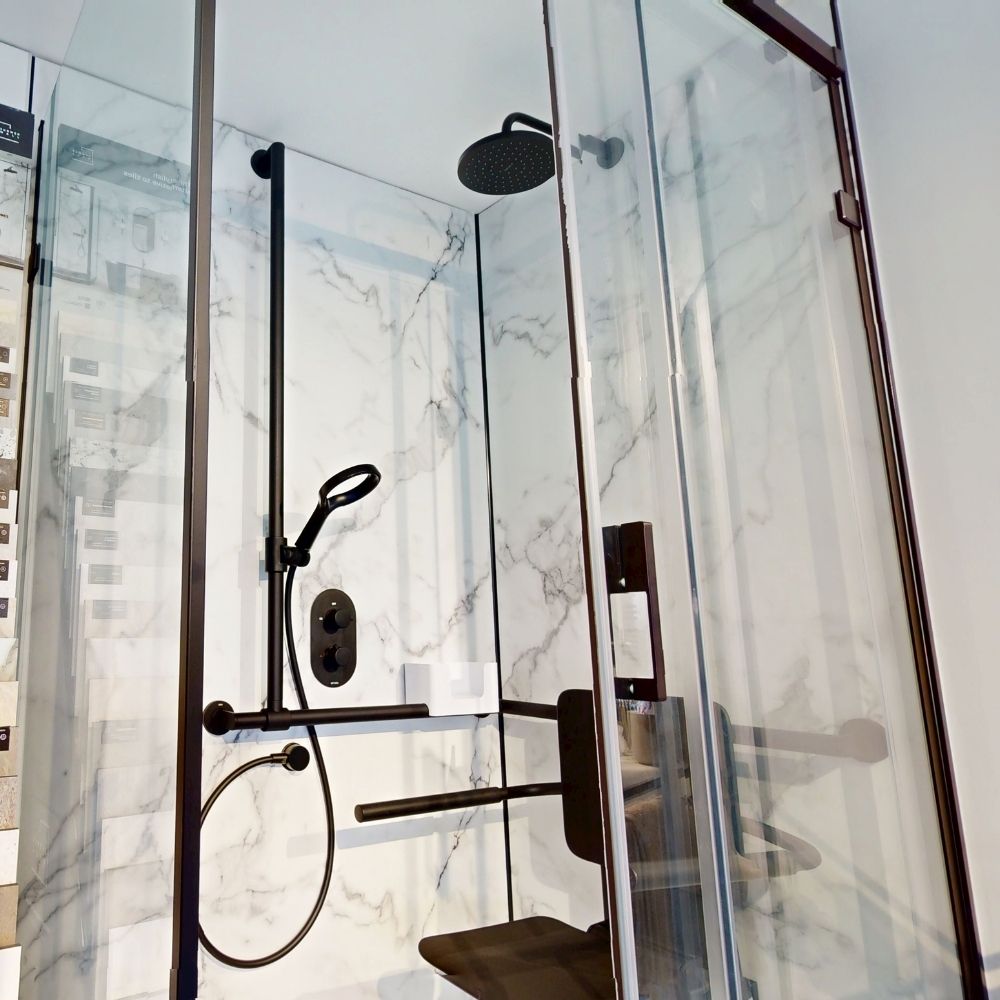
Compare two very different approaches
Our Shower Area demonstrates both an accessibility-focused electric shower and a concealed two-outlet mixer arrangement alongside the wider accessible showering environment.
Before ordering
Choose the shower in conjunction with the water system, electrical provision, user position and finished shower layout rather than treating it as an isolated fitting.
Establish whether the project calls for an electric shower or can use the property's existing hot and cold water supplies.
Match the mixer, handset and overhead outlet to the minimum and maximum water pressure specified for the chosen products.
Electric showers require a suitable dedicated supply sized for the exact model and installed in accordance with current requirements.
Position controls and the handset holder where the intended user can reach them without excessive stretching or leaning.
Allow enough rail adjustment and hose length for sitting, standing and assisted showering without creating unnecessary obstructions.
Check the required WRAS, TMV, healthcare, commercial or specialist performance requirements for the actual project.
Check the exact shower before installation: electrical ratings, pressure requirements, maximum temperature settings, TMV classifications, hose lengths, approvals and installation methods vary between models. Always work from the current manufacturer instructions for the complete selected system.
Accessibility School
Our shower guide compares electric and thermostatic mixer systems and explains how temperature control, water pressure, shower heads and the wider shower layout affect accessibility and everyday use.
Read the accessible showers guide →Source. Control. Delivery.
Choose the water-heating method, position the controls around the user's reach and dexterity, then select a handset, overhead shower or dual system that delivers water where it is needed.