


What is WRAS Compliance?
Accessibility School
What Is WRAS Compliance?
A Clear Guide to UK Water Regulations
Summary
WRAS compliance ensures products connected to the UK water supply are safe, efficient, and legally compliant.
It protects water quality, reduces risk during installation, and helps ensure your project passes inspection without delays.
What is WRAS compliance?
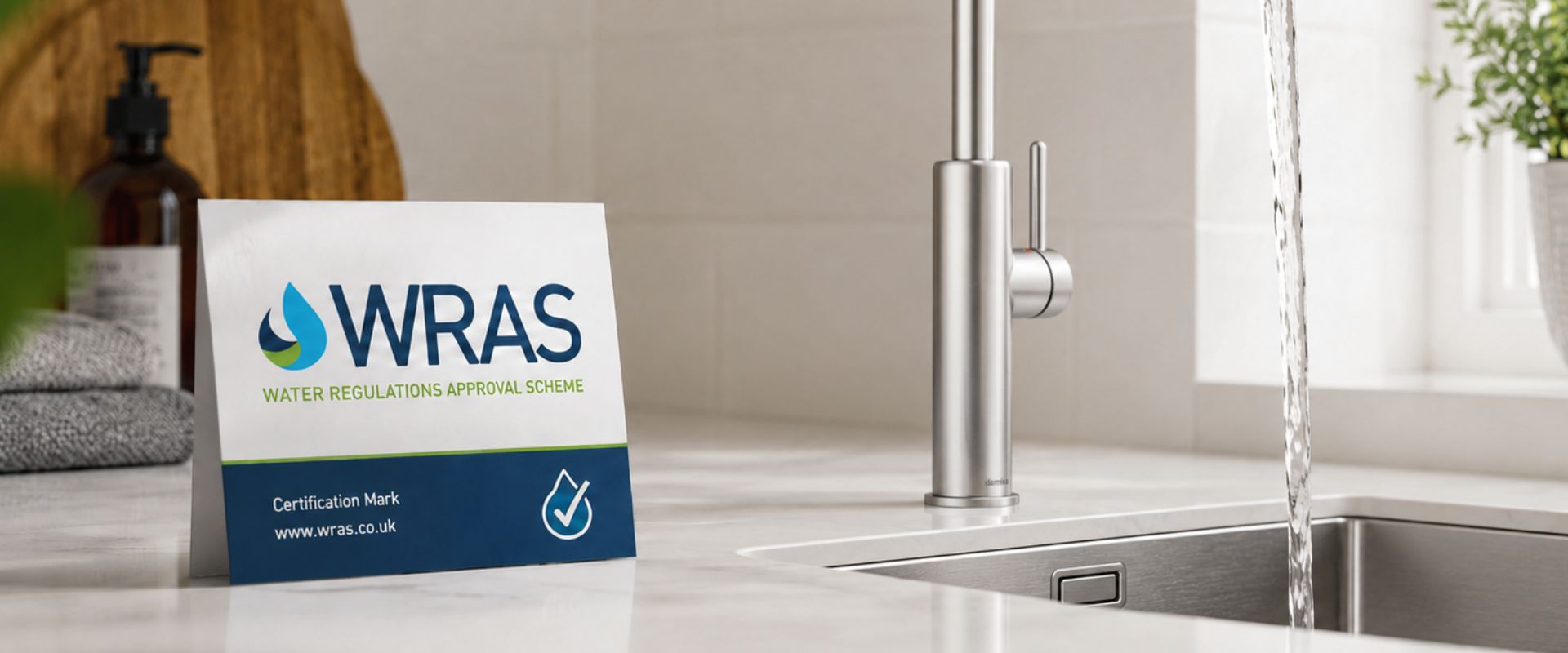
WRAS compliance means a product meets UK water supply regulations, ensuring it does not contaminate drinking water or compromise system safety.
In practice, it is one of the first checks made during specification, as it directly affects whether a project can be signed off.
Technical Definition
WRAS stands for the Water Regulations Advisory Scheme. It exists to ensure that any product connected to the UK’s water supply is safe, efficient, and compliant with regulations.
At its core, WRAS compliance answers one simple question:
“Will this product protect the safety and quality of the water supply?”
If the answer is yes, it can be approved.
In simple terms:
- It prevents contamination of drinking water
- It ensures materials are safe for use with water
- It reduces waste and inefficiency
- It supports legal compliance in installations
For homeowners, contractors, and specifiers, it removes uncertainty. You know the product has been assessed against recognised UK standards.
Why Does WRAS Compliance Matter?
Direct Answer
WRAS compliance matters because it protects health, ensures legal compliance, and reduces the risk of costly installation issues.
1. Water Safety Comes First
Any product connected to mains water has the potential to:
- contaminate drinking water
- allow backflow of dirty water
- introduce harmful materials
WRAS-approved products are tested to prevent this.
2. It Helps You Stay Legally Compliant
In the UK, water fittings must comply with The Water Supply (Water Fittings) Regulations.
Using non-compliant products can lead to:
- failed inspections
- required rework
- project delays
3. It Reduces Risk During Installation
A common issue in projects is discovering too late that a product is not compliant.
That leads to:
- delays
- redesigns
- additional cost
WRAS-approved products remove that uncertainty early.
What Products and Systems Does WRAS Affect?
Direct Answer
WRAS applies to any product connected to the water supply, including taps, valves, showers, toilets, and internal system components.
Typical examples include:
- Taps and mixers →
- Shower valves and controls →
- Toilets and flushing systems →
- Pipework, fittings, and connectors
- Kitchen sinks and waste systems
- Appliances connected to water
In accessible kitchens and bathrooms, this extends further into:
- height adjustable sinks and worktops
- specialist fittings designed for wheelchair users
- integrated systems combining multiple water-connected components
If it connects to the water system, WRAS is relevant.
How Does WRAS Compliance Affect Accessible Kitchens and Bathrooms?
Accessible design introduces more interaction with water-connected systems, which makes compliance even more important.
1. Safety for Seated and Wheelchair Users
Accessible environments often bring users closer to:
- pipework
- undersides of sinks
- water outlets
WRAS compliance helps ensure:
- safe materials
- controlled flow
- reduced contamination risk
This is particularly important where independence is the goal.
2. Compatibility with Height-Adjustable Systems
Accessible kitchens often combine:
- height adjustable worktops →
- flexible plumbing connections →
- moving components
All of these must still comply with water regulations.
Choosing WRAS-compliant components ensures:
- system compatibility
- smoother installation
- fewer compliance issues at sign-off
3. Confidence for Specifiers and Contractors
Accessible projects often involve:
- occupational therapists
- surveyors
- contractors
- family decision-makers
WRAS approval provides a shared standard everyone can trust.
WRAS Approved vs WRAS Compliant: What’s the Difference?
| Term | Meaning |
|---|---|
| WRAS Approved | Independently tested and certified by WRAS |
| WRAS Compliant | Meets regulations but may not be formally certified |
Both can be acceptable, but WRAS approval provides clearer assurance and is often preferred during specification.
Do You Need WRAS Approval?
Direct Answer
Yes — in most cases, any product connected to the UK water supply must comply with water regulations, and WRAS approval is the most recognised way to demonstrate this.
When it matters most:
- New builds
- Renovations
- Commercial projects
- Accessible adaptations
- Any installation subject to inspection
If you are unsure, choosing WRAS-approved products reduces risk.
How Do You Choose WRAS-Compliant Products?
1. Look for Clear Certification
Products should clearly state:
- WRAS approval
- or compliance with water regulations
If it is not clear, ask the supplier.
2. Consider the Full System
Compliance is not just about one product.
You need to consider:
- connections
- valves
- waste systems
- integration with other components
3. Choose Proven Solutions
The simplest approach is to choose systems designed with compliance in mind from the start.
4. Get Expert Input Early
Early advice prevents:
- redesigns
- compliance issues
- unnecessary cost
Common Misunderstandings About WRAS
“If it works, it’s fine”
A product can function perfectly but still fail compliance.
“WRAS only matters for commercial projects”
Regulations apply to domestic installations as well.
“All products on the market are compliant”
They are not, especially when sourcing across multiple suppliers.
Frequently Asked Questions (FAQ)
What does WRAS stand for?
WRAS stands for the Water Regulations Advisory Scheme, ensuring products meet UK water safety standards.
Is WRAS approval a legal requirement?
WRAS approval is not mandatory, but compliance with water regulations is required. Not having WRAS approval can significantly downgrade a product’s reputation.
How do I know if a product is WRAS approved?
Check product specifications or request confirmation from the supplier.
Does WRAS apply to kitchen sinks and taps?
Yes. Any product connected to the water supply must comply.
Does WRAS matter in accessible kitchens?
Yes. Accessible systems often increase user interaction with water components, making compliance critical.
Final Thoughts: Why WRAS Is Worth Paying Attention To
WRAS compliance is not just a technical checkbox.
It is about:
- protecting water quality
- ensuring safe, reliable systems
- avoiding costly installation issues
Choosing WRAS-compliant systems from the start avoids delays, reduces risk, and ensures your project meets UK regulations with confidence.
Your Next Step
→ Explore WRAS-compliant kitchen systems → Compare WRAS-compliant bathroom solutions → Or speak to our team for practical advice
Clarity matters. Especially when it’s built into the system from the beginning.

Continue Learning
Want to understand the thinking behind these products? Explore our practical Accessibility School guides.
View all Accessibility School articles →