

Help Guides

Accessibility & Inclusion in the Workplace
Accessible workplace design improves inclusion, productivity, and staff wellbeing by removing barriers and enabling people to work effectively without restriction. Read this guide to understand how to do it right.
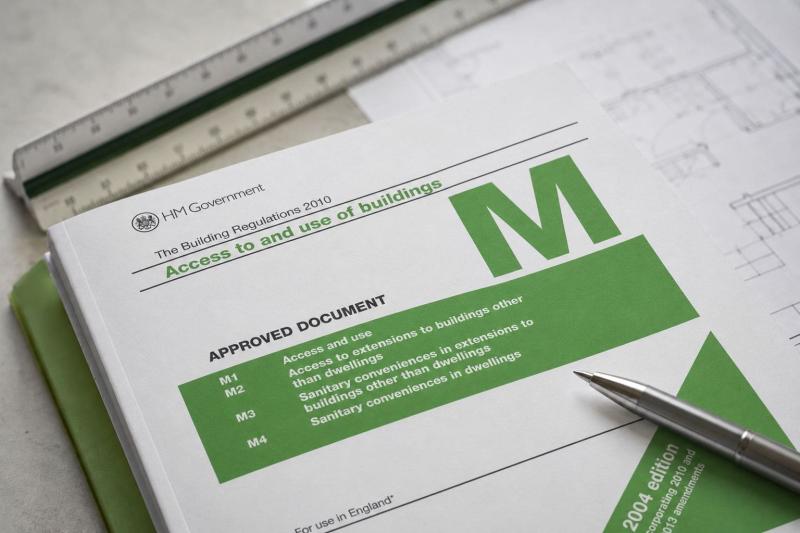
Understanding M4(1), M4(2) and M4(3)
With the government’s plan to build 1.5 million new homes, around 10% will be designed for accessible living, a huge step forward in inclusive housing, and an equally big opportunity to get accessibility right from the start. But if you’ve ever looked at building regulations, you’ll know how confusing they can be. The terms M4(1), M4(2) and M4(3) are often thrown around in planning documents and design briefs — but what do they actually mean? Let’s break them down clearly.

What Is Future-Proofing a Home?
'Future-proofing' homes are becoming more and more popular. But why, and what does that mean? This guide answers exactly those two questions, as well as how you can future-proof your own home.
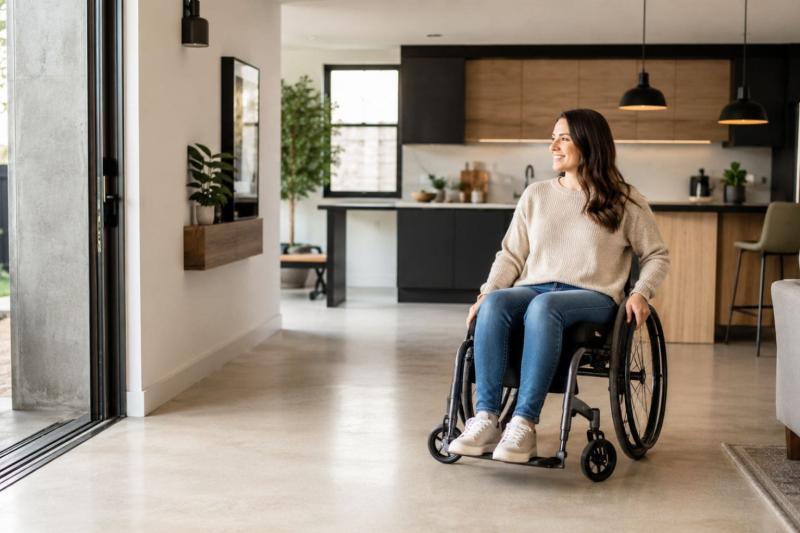
What Does It Mean to Be "Wheelchair-Friendly"?
A UK Guide to understanding what wheelchair-friendly actually means, and how true wheelchair-friendliness is experienced by the user. Being wheelchair-friendly means more than simply removing steps. It involves movement space, access, reach, usability, and the ability to carry out everyday activities independently.
A truly wheelchair-friendly space is designed around how people use it, not just how they enter it.