


What Is the Best Shower Seat for Your Bathroom?
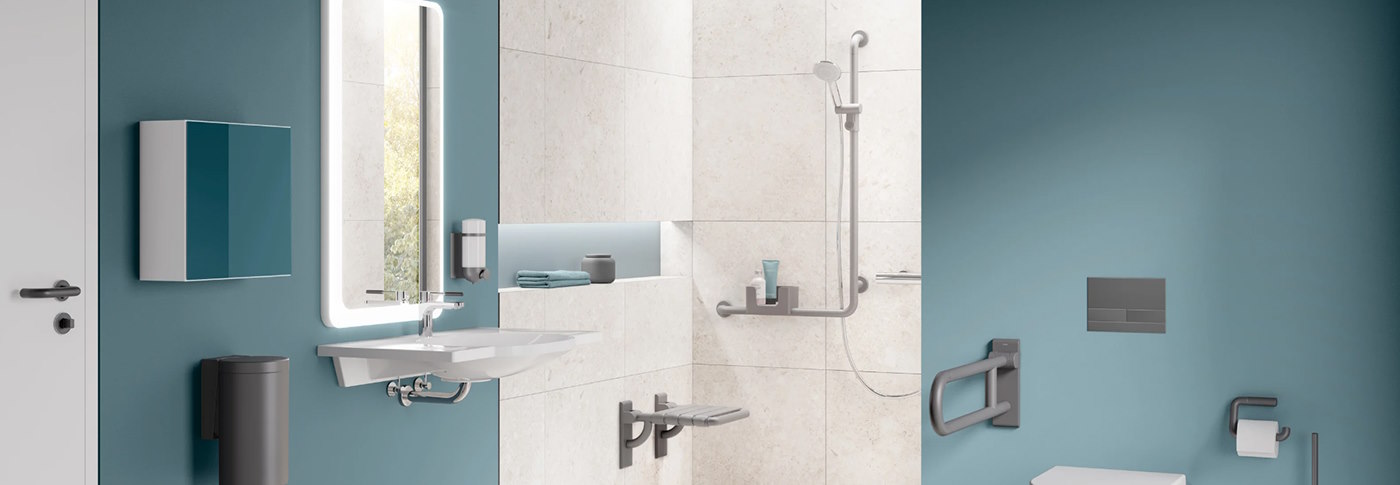
Accessible Bathrooms
What Is the Best Shower Seat for Your Bathroom?
A Practical UK Guide
Summary
The best shower seat depends on your space, mobility needs, and how the shower is used. Options include wall-mounted seats for maximum stability, shower stools for flexibility, transfer benches for bath access, and height adjustable seats for independence. The right choice improves safety, comfort, and confidence in daily use.
What Is a Shower Seat?
A shower seat is a supportive seating solution designed to allow users to sit safely and comfortably while showering, improving stability, safety, and independence.
In accessible bathroom design, particularly in the UK, shower seats are often included as part of best practice guidance such as Part M of the Building Regulations → and BS 8300 →, especially within level access showers → and wetrooms →.
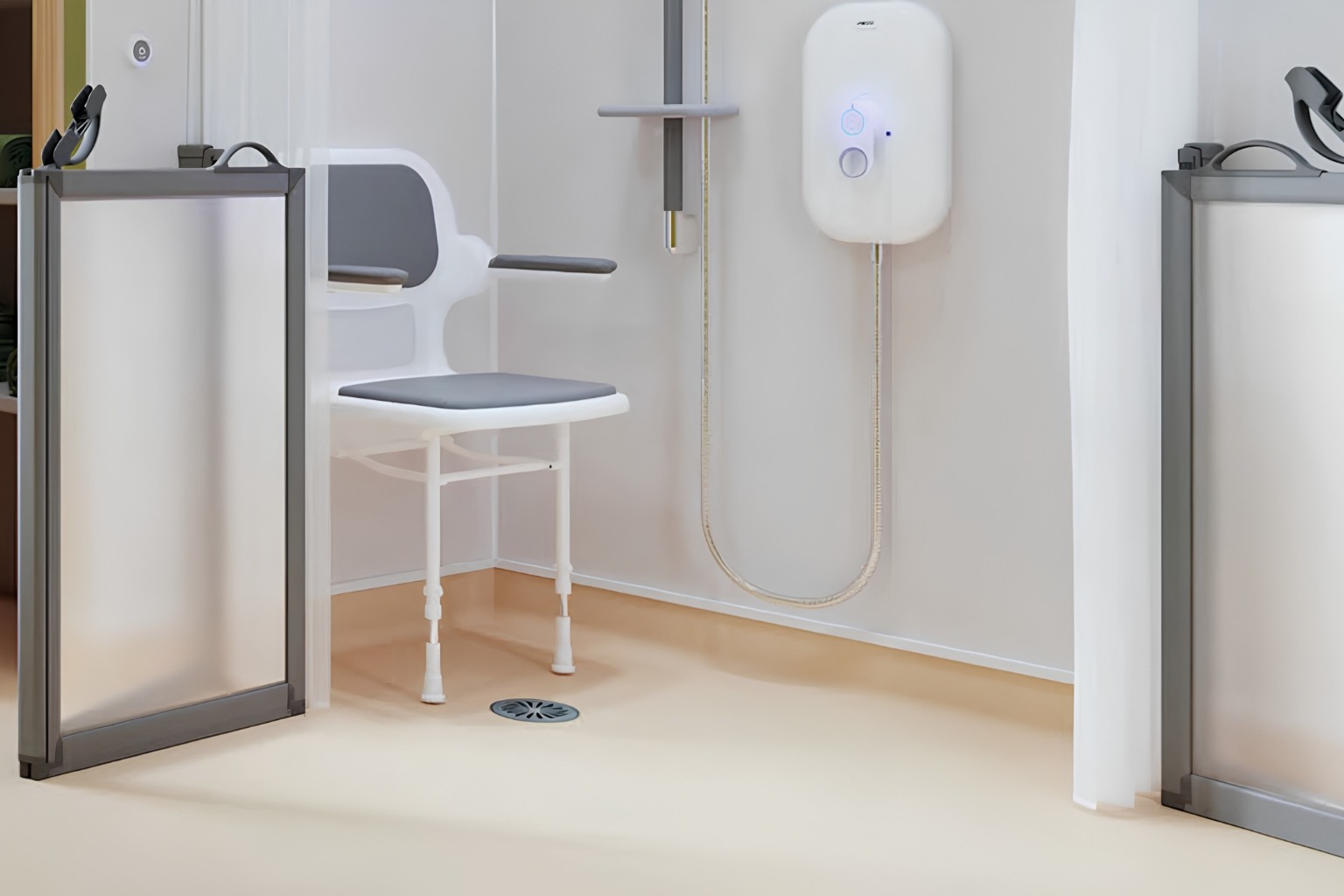
Why Should You Add a Shower Seat to Your Bathroom?
A shower seat is not just a convenience. In many cases, it is a key safety feature.
Standing in a wet environment for extended periods can be physically demanding and, for some users, unsafe. A properly positioned seat provides stability and reduces the risk of slips and falls, while making the overall experience more manageable.
In everyday use, this often results in:
- Reduced fatigue during showering
- Greater confidence when moving within the space
- Improved independence for users who may otherwise require assistance
For carers, it also creates a more controlled and supportive environment, making it easier to assist safely when needed.
What Types of Shower Seats Are Available?
Understanding the different types of shower seat is the first step in choosing the right solution.
In practice, the key difference between them comes down to stability, flexibility, and how permanently they are installed.
Wall-Mounted Shower Seats
Wall-mounted shower seats are one of the most stable and widely used options in accessible bathrooms.
They are fixed directly to the wall, providing a secure seating position, and can often be folded away when not in use. This makes them particularly effective in smaller bathrooms or shared spaces where maintaining room to move is important.
HFrom a safety perspective, these are often considered one of the most reliable options, provided they are installed correctly.
It is important to note that wall-mounted seats require adequate structural support within the wall, such as reinforced backing or solid fixing points. Without this, the seat may not perform safely.
Shower Stools
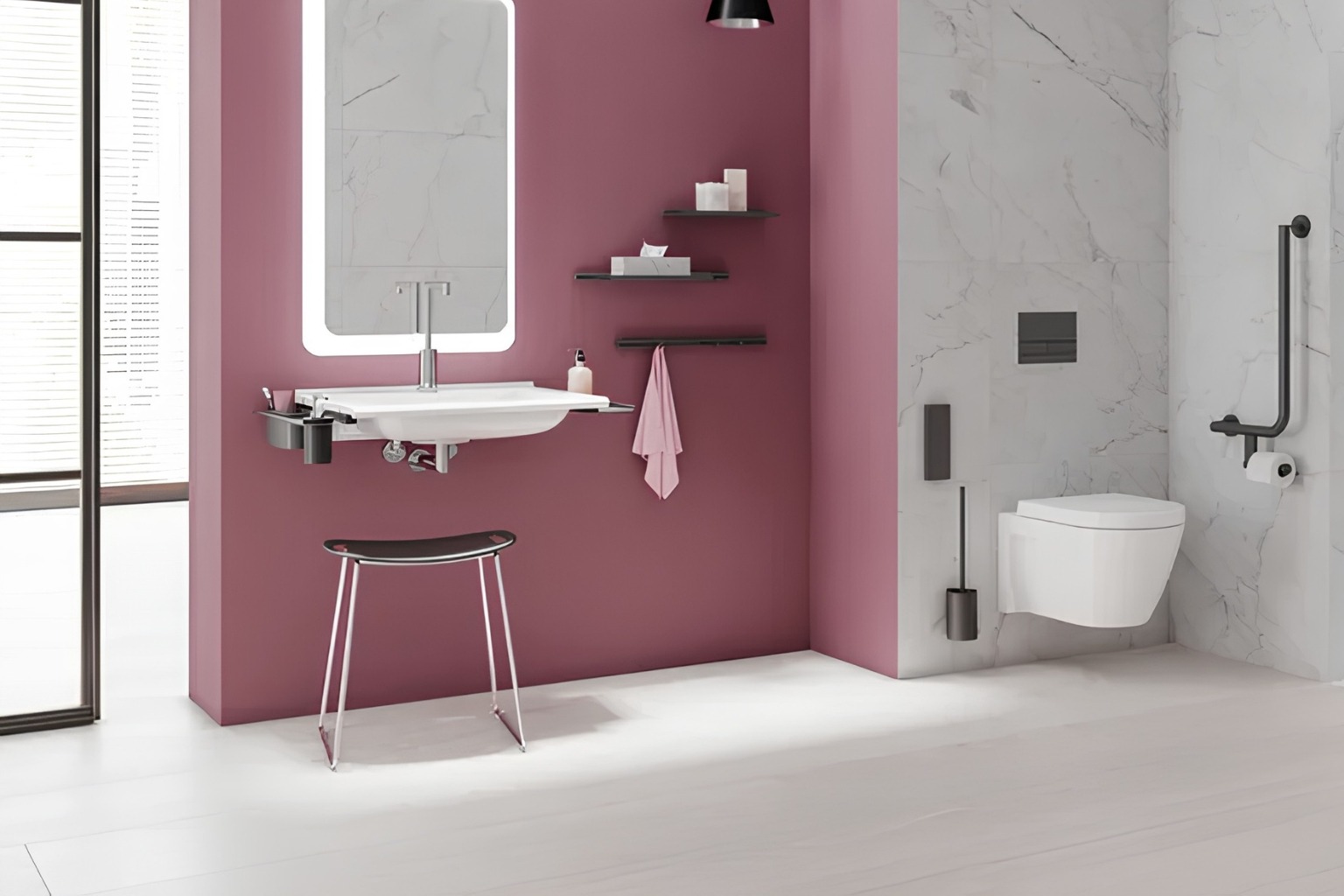
Shower stools offer a more flexible and portable alternative.
They can be moved within the shower area or removed entirely, making them useful in shared bathrooms or where a permanent installation is not possible.
However, this flexibility comes with a trade-off. Because they are not fixed, they may not provide the same level of stability as wall-mounted or integrated seating.
In practice, stools are often best suited to:
- Temporary use
- Lower-risk environments
- Situations where flexibility is more important than fixed support
Transfer Benches
Transfer benches are typically used in bathrooms where a bath and shower are combined.
They allow the user to sit outside the bathing area and then move across into position, removing the need to step over the bath edge. This significantly reduces one of the most common risks in the bathroom.
In practice, they are especially valuable for:
- Users with limited mobility
- Individuals recovering from injury or surgery
- Situations where assisted use is required
They also allow carers to support the user more safely, with better positioning during transfers.
Bariatric Shower Seats
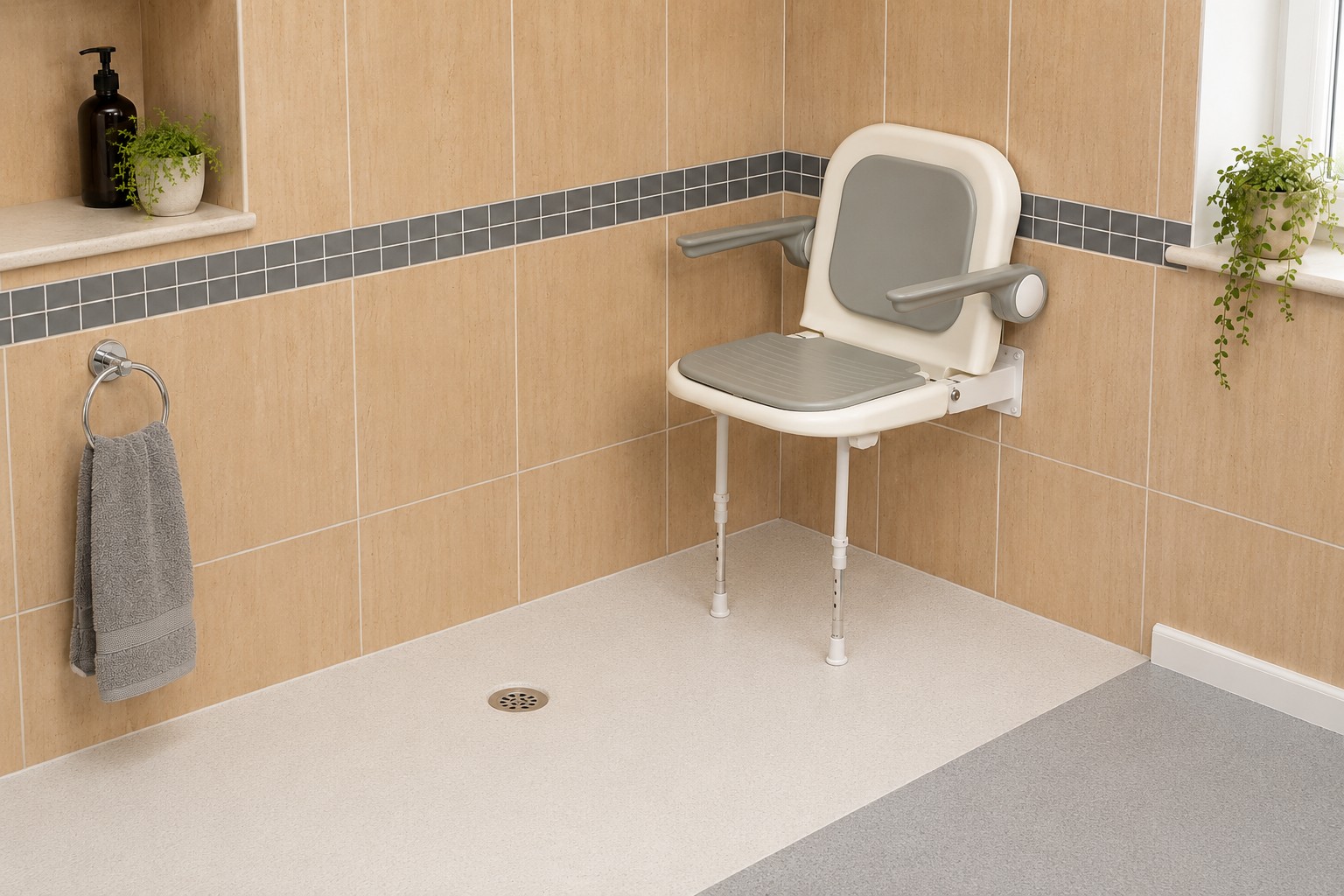
Bariatric shower seats are designed to support higher weight capacities and provide additional stability.
With reinforced frames and wider seating areas, they offer a secure and comfortable solution for users who require greater support. In real-world use, this provides reassurance and confidence where standard seating may feel insufficient.
These seats are an important part of inclusive bathroom design, ensuring solutions are appropriate for all users.
Height Adjustable Shower Seats
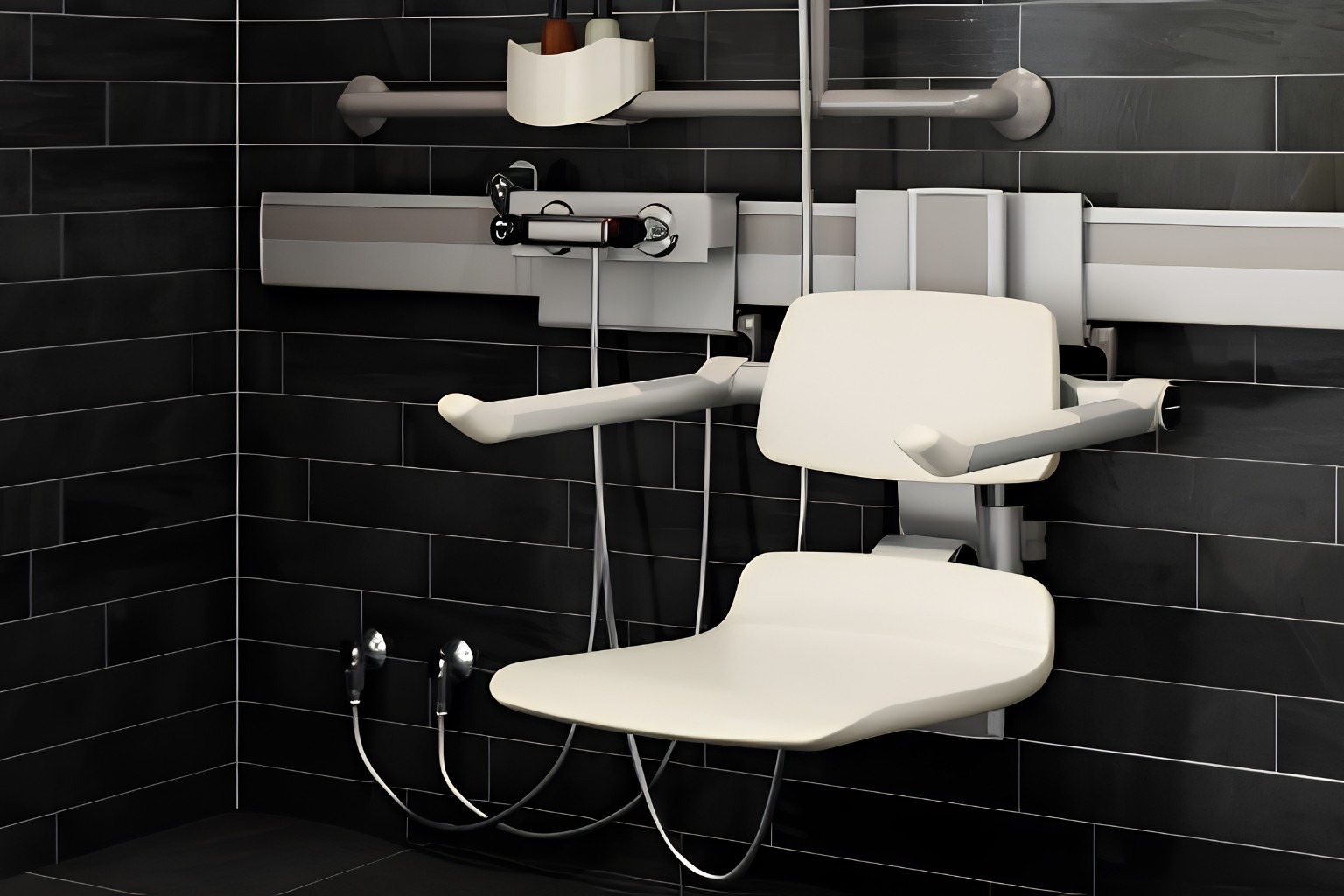
Height adjustable shower seats provide a higher level of flexibility, allowing the seat position to be tailored to the user.
This is particularly beneficial in shared environments or where users have different mobility needs. For wheelchair users, correct height alignment can make transfers safer and more controlled.
There is an important distinction between manual and electric adjustment. Manual systems are typically set before use, whereas electric systems allow the height to be adjusted independently, even while seated.
Some advanced systems also allow horizontal movement along a wall-mounted track, which can improve positioning and give carers better access when assisting.
In practice, these systems are often chosen where independence and adaptability are a priority.
Which Type of Shower Seat Is Safest?
While all shower seats improve safety compared to standing unsupported, some options provide greater stability than others.
As a general guide:
- Wall-mounted seats offer the highest level of stability when correctly installed
- Adjustable systems provide strong support with added flexibility
- Transfer benches are essential for safe bath access
- Shower stools offer flexibility, but typically less stability
In practice, the safest option is the one that matches the user’s needs and is installed correctly.
Luxury vs Traditional Care Shower Seats
Shower seats are often chosen based on a balance between design and function.
Luxury shower seats → are designed to integrate seamlessly into modern bathrooms, offering a more refined appearance without compromising usability. Traditional care seats → prioritise function and cost-effectiveness, often with a more clinical look.
Both approaches are valid. The right choice depends on the environment and the user’s priorities.
What Features Should You Look For in a Shower Seat?
Beyond the main type, certain features can significantly affect usability.
Armrests can provide additional support when sitting or standing, making transfers easier. Cushioning can improve comfort, particularly for longer use, while swivel functionality can reduce the need for twisting.
Horseshoe-shaped seats → can improve hygiene and make cleaning easier, particularly in assisted environments.
These details may seem secondary, but in daily use they often make a noticeable difference.
How Do You Choose the Right Shower Seat?
Choosing the right shower seat comes down to how the space is used in practice, not just how it looks.
In practice, one of the most common mistakes is choosing a seat based on space alone. Stability, independence, and long-term usability should always take priority.
Consider:
- Whether the seat needs to be fixed or flexible
- The level of support required
- Whether the user will shower independently or with assistance
- How much space is available for safe movement
Taking these factors into account helps ensure the seat works reliably in everyday use.
Can You Add a Shower Seat to an Existing Bathroom in the UK?
Yes — and in most UK homes, this is how they are introduced.
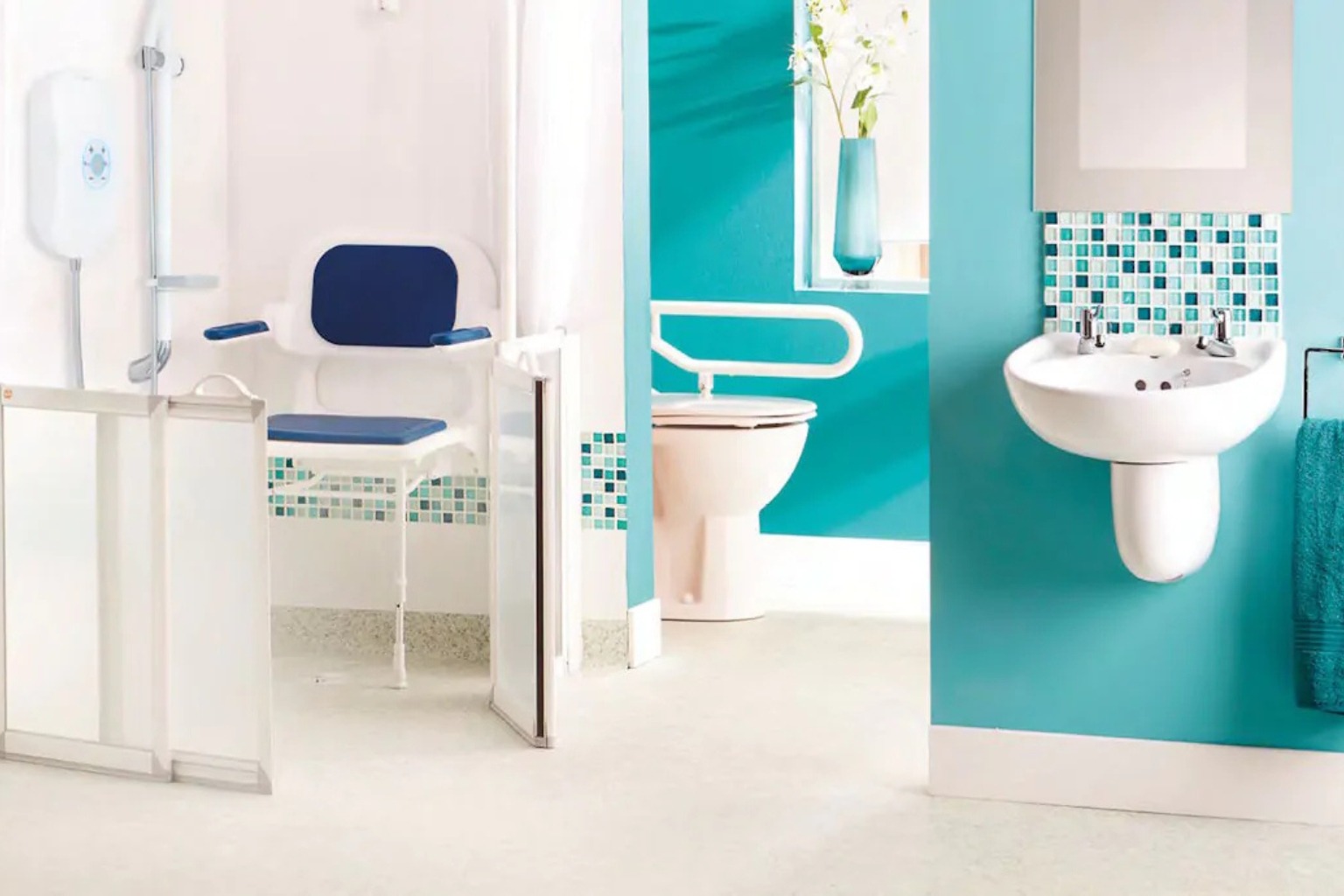
Shower seats can usually be installed into existing bathrooms, although structural considerations are important. Wall-mounted seats, in particular, require suitable fixing points or reinforcement to ensure safe installation.
In wetrooms and level access showers, integration is often more straightforward, but even standard bathrooms can usually be adapted with the right approach.
Explore Your Options
If you are designing or adapting a bathroom, the right shower seat can significantly improve how the space works in everyday life.
→ Explore shower seats for accessible bathrooms → See for yourself in our showroom → Speak to our team for tailored advice
FAQs
What is a shower seat?
A shower seat is a seating solution designed to allow users to sit safely and comfortably while showering.
Who should use a shower seat?
Shower seats are suitable for older adults, wheelchair users, individuals with mobility challenges, or anyone who finds standing in the shower difficult.
Are wall-mounted shower seats better than stools?
Wall-mounted seats offer greater stability, while stools provide flexibility. The best option depends on the user’s needs and environment.
Can a shower seat be installed in any bathroom?
Most bathrooms can accommodate a shower seat, although wall strength and layout must be considered.
What is the safest type of shower seat?
Fixed, wall-mounted seats and properly installed adjustable systems typically provide the highest level of safety.
Final Thought
A well-designed bathroom should feel safe, comfortable, and easy to use.
A shower seat may seem like a simple addition, but in practice, it can transform how the space works, improving confidence, supporting independence, and making everyday routines more manageable.
Explore the difference →

Continue Learning
Want to understand the thinking behind these products? Explore our practical Accessibility School guides.
- Retrofitting Accessibility: How to Adapt Your Home Without Starting Again →
- What Is an Adapted Bathroom? →
- What is an Accessible Shower? →