


How Do You Design an Accessible Multigenerational Home in the UK?
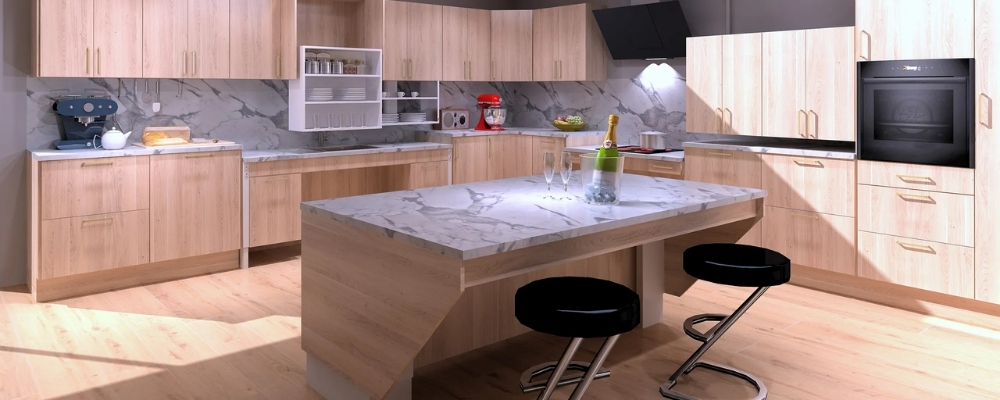
Accessible Home Design
How Do You Design an Accessible Multigenerational Home in the UK?
Summary
Designing an accessible multigenerational home in the UK means creating spaces that work for all ages and abilities, without compromise. In practice, this is achieved through flexible layouts, height-adjustable kitchens, and accessible bathrooms, allowing seated users, wheelchair users, older adults, and children to live safely and independently within the same home.
What Is an Accessible Multigenerational Home?
An accessible multigenerational home is designed to support people of different ages and abilities by using adaptable layouts and adjustable features that improve safety, comfort, and independence over time.
In the UK, this typically aligns with best-practice guidance such as Part M of the Building Regulations and BS 8300, while still delivering a home that feels considered, cohesive, and easy to live in day to day.
Why Is Multigenerational Living Increasing in the UK?
Multigenerational living is steadily increasing across the UK, driven by rising living costs, longer life expectancy, and changing family dynamics. More families are choosing to live together, not just out of necessity, but because it offers practical and emotional support.
However, most homes were never designed with this in mind.
In reality, this often leads to small but persistent frustrations. Worktops may sit too high for seated users, storage can require awkward reaching, and bathrooms may feel unsafe for older family members. While each issue may seem minor in isolation, together they can affect both independence and confidence over time.
Accessible home design addresses this early, creating spaces that work with the household rather than against it.
What Makes a Home Accessible for All Generations?
An accessible home is not about adding specialist features after the fact. Instead, it is about designing flexibility into the space from the outset, so that it continues to work as needs change.
In our experience, one of the most common challenges is fixing layouts too early. What works today may not work in five years, particularly in multigenerational households where circumstances evolve. By contrast, adjustable and adaptable solutions allow the home to respond over time, rather than needing to be redesigned.
At its core, accessible home design aims to reduce strain, remove unnecessary barriers, and ensure that key spaces are comfortable for both seated and standing users. When done well, it feels intuitive rather than adapted.
The biggest impact is usually seen in two areas: the kitchen and the bathroom.
How Do You Design an Accessible Multigenerational Kitchen?
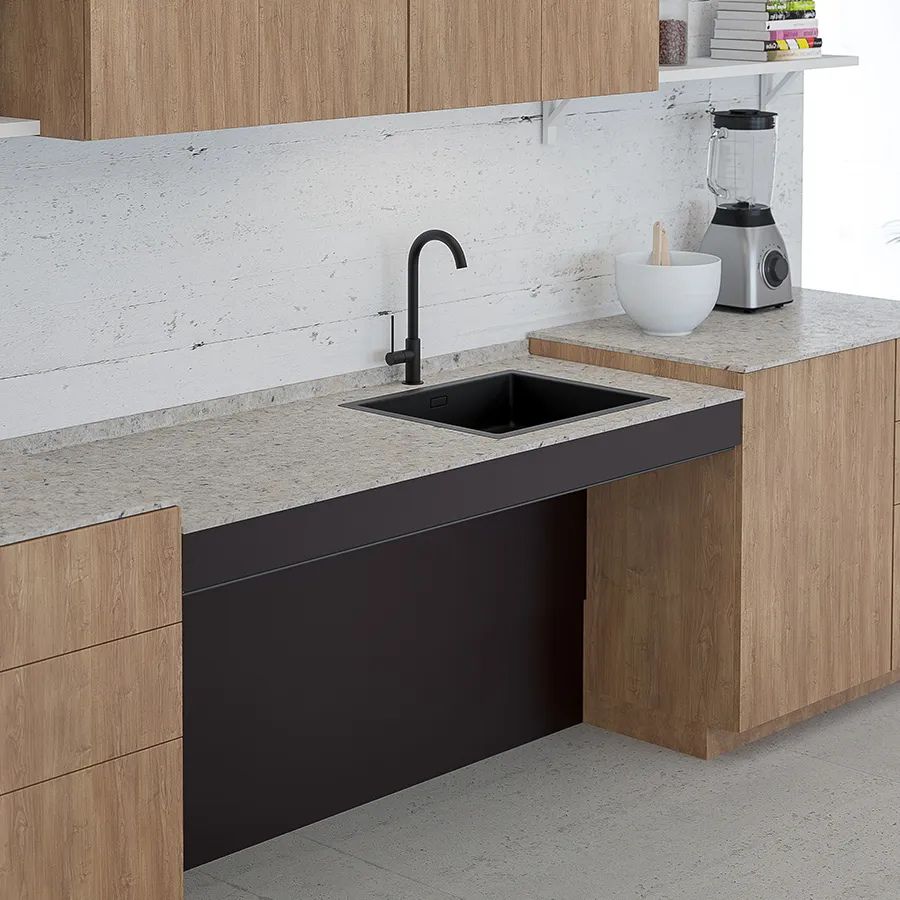
What Is an Accessible Kitchen?
The kitchen is often described as the heart of the home, but in a multigenerational setting, it also becomes the most shared and most tested space.
An accessible kitchen ensures that everyone can take part in everyday tasks, whether that’s preparing food, making a drink, or simply being present in the space. It allows for independence where needed, while still supporting shared use.
Why Are Height-Adjustable Worktops So Important?
Height-adjustable worktops are one of the most effective ways to make a kitchen work for multiple users. Rather than fixing the surface at a single height, they allow it to be raised or lowered depending on who is using it.
In practice, this transforms how the kitchen is used. A wheelchair user or seated user can position the worktop comfortably, while standing users can return it to a standard height. It also makes the space more usable for children and reduces strain for older adults who may find fixed heights uncomfortable over time.
This is where adaptable systems begin to show their value. They do not just improve accessibility on paper, they change how the space feels and functions in everyday life.
How Can You Make Kitchen Storage Accessible?
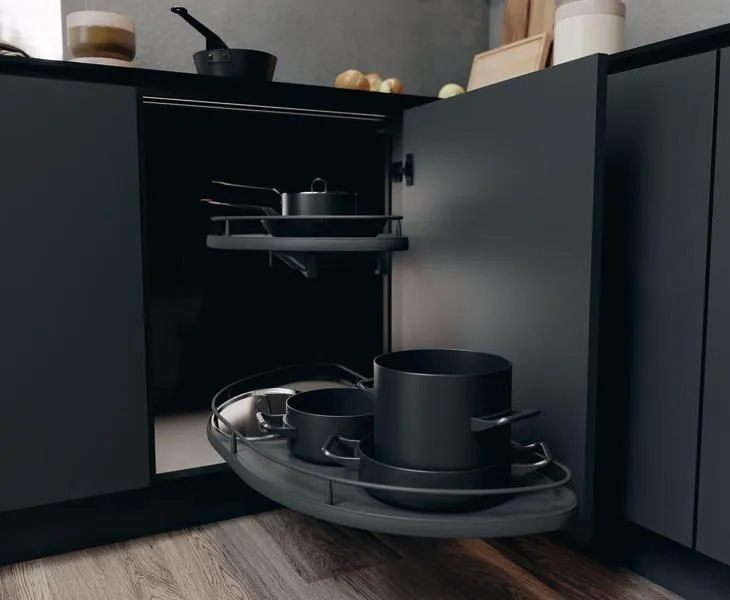
Storage is often where accessibility breaks down in a standard kitchen. Items placed at height or deep within cupboards can quickly become difficult, or even unsafe, to reach.
A more effective approach is to design storage that comes to the user.
Height-adjustable wall cabinets allow shelves to be lowered into reach when needed, making them suitable for wheelchair users and those with limited mobility, while still functioning as conventional storage for others. Similarly, pull-out systems bring contents forward, removing the need to reach into the back of cupboards and making everything easier to see and access.
For heavier appliances, lift systems provide a controlled way to position items without lifting. This not only improves safety but also reduces one of the more common frustrations in everyday kitchen use.
How Do You Design the Kitchen as a Shared Space?
In a multigenerational home, the kitchen should support people using it together, rather than forcing them to take turns.
This is often achieved through layout rather than individual features. Clear floor space allows unrestricted movement, while well-placed seating creates opportunities for people to remain part of the space even when they are not actively cooking.
When designed well, the kitchen becomes a space where different generations can spend time together naturally, without the environment limiting how they interact.
→ Explore adjustable kitchen solutions designed for multigenerational use
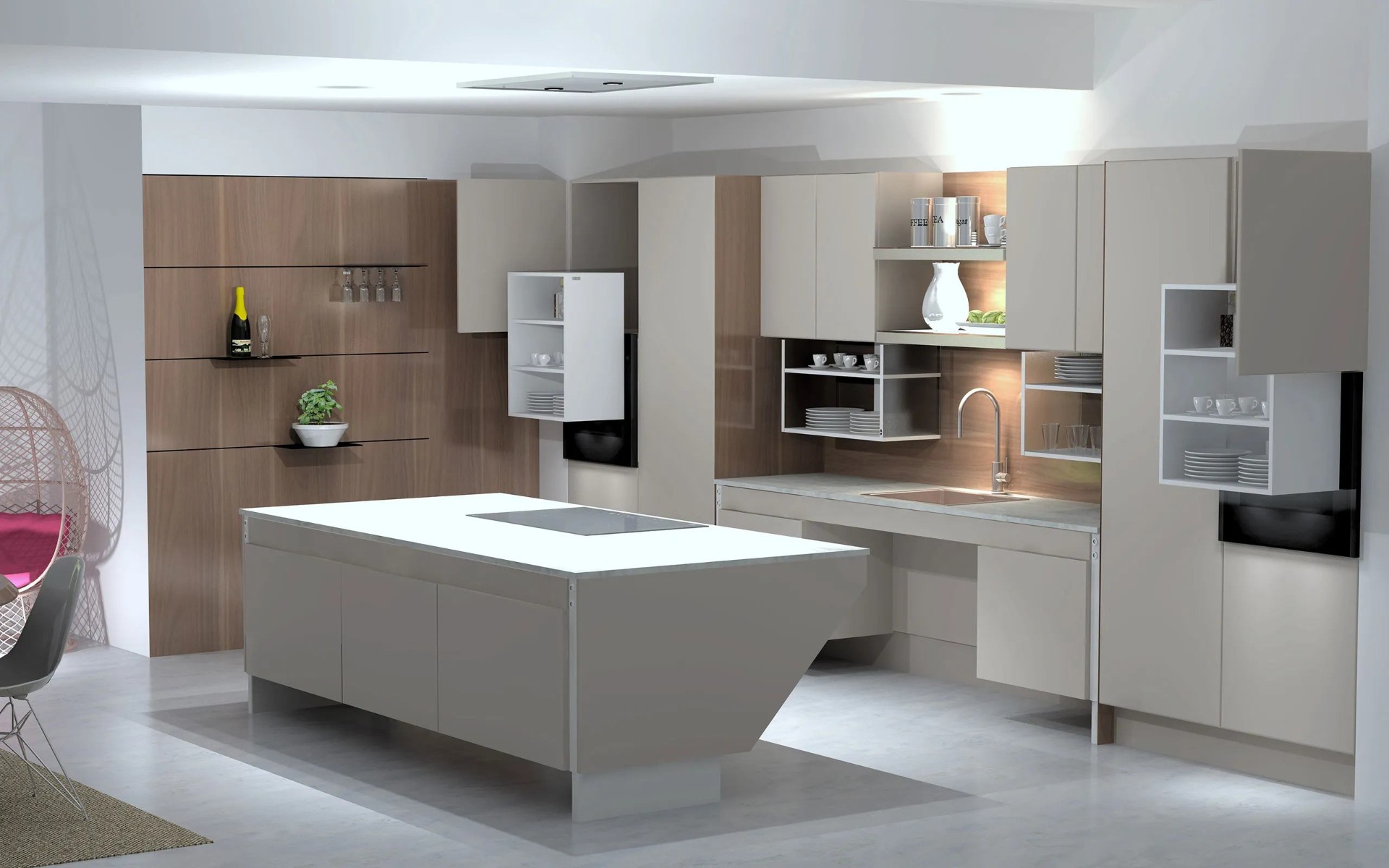
How Do You Design an Accessible Multigenerational Bathroom?
Why Is Bathroom Design So Important?
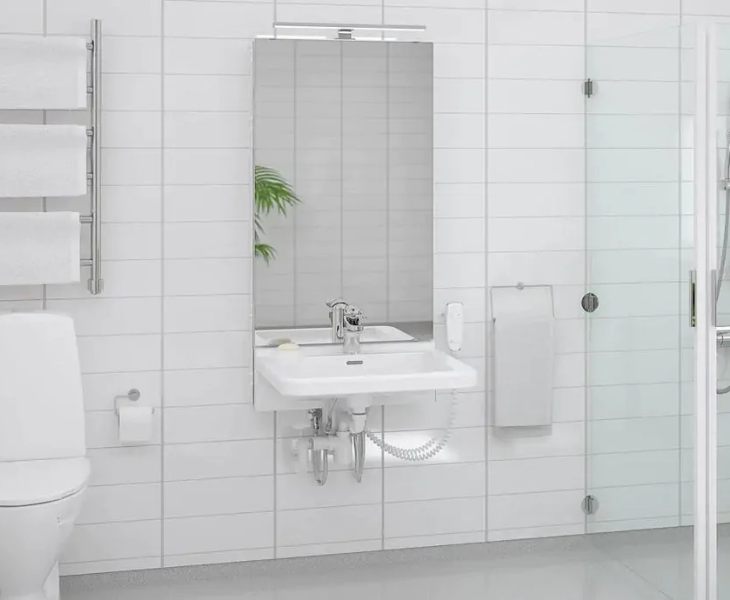
Bathrooms are one of the highest-risk areas in any home, particularly where water, smooth surfaces, and changes in level are involved. In a multigenerational household, these risks are amplified by differences in mobility, balance, and strength.
A well-designed accessible bathroom reduces those risks while maintaining comfort, independence, and dignity for every user.
What Is a Height-Adjustable Wash Basin?
A height-adjustable wash basin allows the sink to be positioned at the most appropriate height for the user. For someone seated or using a wheelchair, it can be lowered to provide comfortable access, while standing users can raise it back to a standard level.
This flexibility means the same bathroom can be used by everyone without compromise, which is particularly important in shared living environments.
What Makes a Shower Accessible?
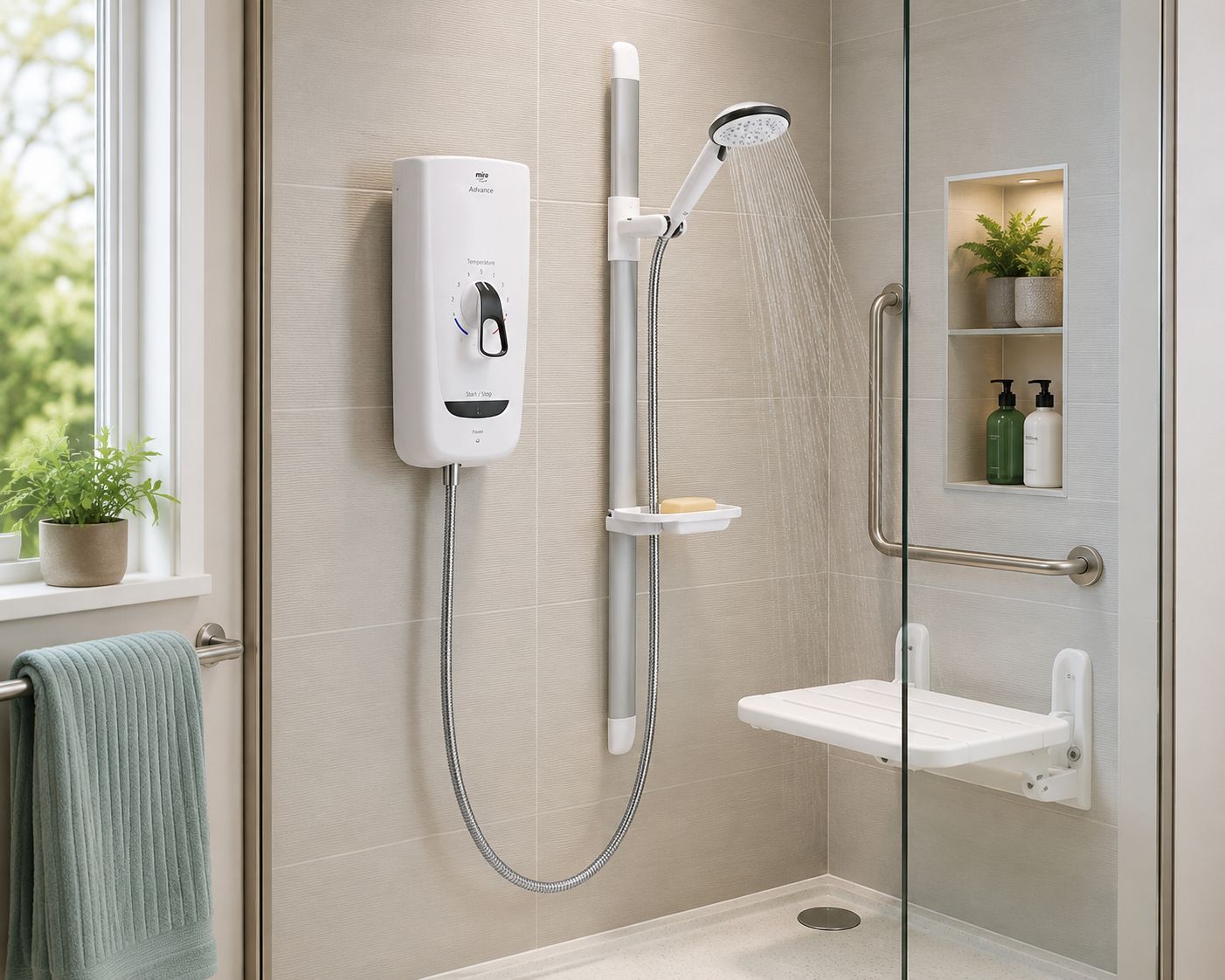
Accessible showering focuses on removing barriers and improving stability, rather than introducing complexity.
Level access showers, often used in wetroom designs, eliminate the need to step into the shower area. This significantly reduces risk for older adults and is essential for wheelchair access. Shower seats provide a stable place to sit when needed, helping to reduce fatigue and improve confidence, while grab rails offer support when moving between positions.
Individually, these elements are simple. Together, they create a space that feels safer and more usable on a daily basis.
What Safety Features Should Be Included?
Alongside layout and fixtures, smaller design decisions play an important role in how the bathroom performs.
Non-slip flooring helps reduce the risk of falls in wet conditions, while thermostatic mixing valves prevent water from reaching unsafe temperatures. Good lighting improves visibility throughout the space, particularly at night, and the use of contrasting finishes can make fixtures easier to identify for those with reduced vision.
These details are often understated, but they contribute significantly to overall safety and usability.
→ Explore accessible bathroom solutions for independent living
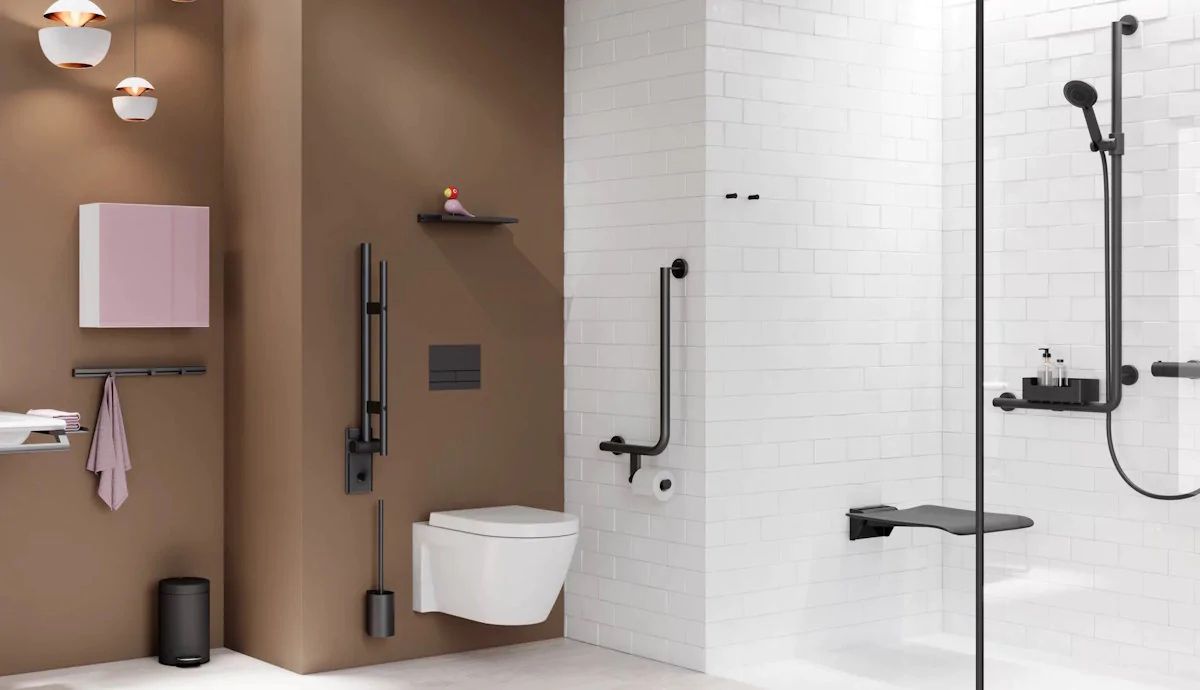
Can You Achieve This in an Existing UK Home?
In reality, most multigenerational homes in the UK are existing properties rather than new builds, which means there are often constraints to work within.
It is not always possible to incorporate every feature, but meaningful improvements can still be made. The key is to prioritise the changes that will have the greatest impact, such as improving kitchen usability or making the bathroom safer and easier to access.
Even relatively small adjustments can lead to noticeable improvements in comfort and independence, particularly when they are focused in the right areas.
How Do You Make Multigenerational Living Work in Practice?
Design provides the foundation, but how the home is used day-to-day is just as important.
Successful multigenerational living depends on balance. Spaces need to support shared use while still allowing for independence, and flexibility is key to achieving this. Open communication and shared responsibility also play a role, helping to ensure that the home continues to work for everyone over time.
Equally important is the ability to step away. Providing areas for privacy allows each person to have space when needed, which is essential in a shared environment.
How Do You Choose the Right Accessible Solutions?
When planning an accessible multigenerational home in the UK, it is important to focus on solutions that will continue to work as needs change.
Prioritising key areas such as kitchen worktops, storage, and bathroom access will deliver the greatest impact, both immediately and in the long term. Choosing adaptable systems over fixed installations ensures that the home remains usable and comfortable for years to come.
Explore Your Options
If you are planning an accessible home, the right systems can make a measurable difference to how the space works in everyday life.
Explore accessible kitchens and height-adjustable worktops →
Discover accessible bathroom solutions designed for independence →
Or contact us to understand what will work best for your home and your family.
FAQs
What is a multigenerational home?
A multigenerational home is a household where two or more generations of a family live together, such as grandparents, parents, and children.
What is an accessible multigenerational home?
An accessible multigenerational home is designed to support different ages and abilities, using flexible layouts and adjustable features to improve safety and independence.
What are the best accessible kitchen solutions?
Height-adjustable worktops, accessible storage systems, and adjustable wall cabinets are among the most effective solutions for multigenerational use.
What is a level access shower?
A level-access shower is a shower without a step or raised tray, allowing safe, easy access for all users, including wheelchair users.
Can you adapt an existing home to be more accessible?
Yes. Most UK homes can be improved through targeted changes, such as better storage access, safer bathrooms, and adaptable kitchen features.
Final Thought
The most successful multigenerational homes are not designed around limitations, but around the people who live in them.
When spaces adapt to the user, rather than the other way around, everyday life becomes easier, safer, and more inclusive for everyone, now and in the future.
Explore the difference.